2026.07.14 화요일
검색
'CPU' 검색결과
기간검색
-
~
검색영역
검색어
-
 BC카드, 금융 특화 AI 검색 모델 자체 개발…"성능 세계 1위 달성" [경제일보] BC카드는 생성형 인공지능(AI) 서비스의 검색 정확도를 높여주는 금융 특화 임베딩(Embedding) 모델을 자체 개발해 선보였다고 2일 밝혔다. 최근 금융업계는 생성형 AI를 접목한 상담을 비롯해 사내 업무 지원이나 문서 탐색 기능을 적극적으로 도입하는 추세다. 생성형 AI는 모든 정보를 외우는 것이 아니라 질문에 부합하는 정보를 찾아 답변을 엮어내는 방식으로 작동한다. 이 때문에 연관 문서를 얼마나 정확하게 찾아내는지가 서비스 품질을 결정짓는다. 이를 뒷받침하는 핵심 기술이 바로 임베딩 모델이다. 질문과 문서의 의미를 AI가 인식할 수 있는 좌표값인 숫자로 바꾼 뒤 유사한 정보들을 가깝게 배열해 가장 적합한 내용을 사용자에게 전달한다. 가령 해외결제 수수료를 묻는 질문에 관련 약관이나 서류를 탐색할 때 정확한 단어가 없어도 의미가 동일한 다른 표현의 문서를 찾아 AI에 제공하는 역할이다. 기존 범용 모델들은 가맹점이나 결제 같은 국내 금융 전문 용어의 문맥을 제대로 파악하지 못하는 단점이 존재했다. 이러한 한계를 극복하기 위해 BC카드는 앞서 오픈소스 플랫폼에 공개했던 182만건 규모의 데이터셋을 바탕으로 새로운 금융 특화 임베딩 모델을 완성했다. 새 모델은 활용 목적에 맞춰 경량형과 고품질형 두 가지로 나뉜다. 경량형 모델은 6억개 파라미터 규모로 일반 중앙처리장치(CPU) 환경에서 구동할 수 있다. 이 모델은 지난달 27일 기준 글로벌 벤치마크 평가(SOTA)에서 다른 모델과 비교해 검색 성능이 최대 15% 향상되며 세계 1위를 달성했다. 그래픽처리장치(GPU) 환경에서 쓰이는 고품질형 모델은 40억개 파라미터 규모를 갖췄다. 경량형보다 성능이 10%가량 우수해 정밀한 검색이 요구되는 업무에 알맞다. 응답 속도가 중요할 때는 경량형을 쓰고 높은 정확도가 필요할 때는 고품질형을 선택적으로 도입할 수 있다. BC카드는 이번 개발 과정에서 단순히 모델 크기를 키우는 것보다 양질의 금융 데이터를 학습시키는 작업이 성능 개선에 더 필수적인 요인임을 확인했다. 이로써 금융 AI 서비스의 핵심 검색 기술을 자체적으로 확보했다. 향후 외부 시스템에 민감한 금융 데이터를 넘기지 않고도 독자적인 AI 서비스를 운영할 수 있는 기반이 마련된 것으로 풀이된다. 이는 보안과 규제 리스크를 최소화하는 결과로 이어질 것으로 보인다. 해당 모델은 글로벌 오픈소스 플랫폼 허깅페이스를 통해 대중에게 공개될 예정이다. BC카드는 앞으로 적용 대상을 넓혀 △KT 그룹사 △정부 △금융기관 등을 상대로 금융 AI 검색 플랫폼 사업을 지속해서 확장해 나갈 계획이다. 오성수 BC카드 상무는 "이번 개발은 금융 특화 AI 서비스의 핵심 기술을 자체 확보하고 운영할 수 있는 기술 기반을 마련해 정부의 소버린 AI 기조, 금융위원회가 추진 중인 금융권 AX 가속화 정책과도 부합한다는 점에서 의미가 크다"면서 "자체 개발한 금융 특화 모델과 데이터셋을 개방과 공유해 금융권 전반의 AX 저변 확대와 한국형 금융 AI 생태계 구축에 기여할 것"이라고 말했다.
2026-07-02 16:34:28
-
 IBM, '1나노 벽' 넘었다…반도체 경쟁 옹스트롬 시대로 [경제일보] IBM이 반도체 미세공정의 한계로 여겨져 온 1나노미터 벽을 넘어서는 기술을 공개했다. 0.7나노, 즉 7옹스트롬급 칩 기술이다. 인공지능(AI) 반도체와 데이터센터 전력 효율 경쟁이 격화되는 가운데 반도체 공정 경쟁이 나노미터를 넘어 옹스트롬 단위로 들어서고 있다는 평가가 나온다. IBM은 25일 세계 최초의 서브 1나노 칩 기술인 0.7나노 공정 ‘나노스택’ 아키텍처를 개발했다고 밝혔다. 나노스택은 기존처럼 트랜지스터를 평면 위에 더 촘촘히 배열하는 방식에서 벗어나 소자를 수직 방향으로 엇갈려 쌓는 3차원 적층 구조다. IBM은 이를 통해 손톱 크기 칩에 약 1000억개의 트랜지스터를 집적할 수 있다고 설명했다. 옹스트롬은 나노미터보다 더 작은 길이 단위다. 1옹스트롬은 0.1나노미터이고, 1나노미터는 10옹스트롬이다. IBM이 공개한 0.7나노 공정은 이를 옹스트롬 단위로 바꾸면 7옹스트롬에 해당한다. 그동안 반도체 업계가 7나노, 5나노, 3나노, 2나노 공정을 놓고 경쟁했다면, 이제는 1나노 아래의 초미세 공정 경쟁으로 이동하고 있는 셈이다. 다만 반도체에서 말하는 공정명은 실제 트랜지스터의 모든 물리적 길이가 정확히 그 숫자라는 뜻은 아니다. 최근의 2나노, 1나노, 7옹스트롬이라는 표현은 실제 선폭보다 집적도, 성능, 전력 효율, 세대 구분을 나타내는 상징적 명칭에 가깝다. 따라서 ‘옹스트롬 시대’는 단순히 숫자를 더 작게 부르는 변화가 아니라 트랜지스터 구조와 적층 방식까지 바꾸는 차세대 공정 경쟁의 시작을 뜻한다. ◆ 나노스택, 평면 미세화 한계 넘는 3차원 해법 IBM은 나노스택 기술이 2021년 공개한 2나노 칩과 비교해 트랜지스터 밀도를 약 두 배 높일 수 있다고 밝혔다. 같은 전력에서 연산 성능을 최대 50% 끌어올리거나 같은 성능에서 전력 효율을 최대 70% 개선할 수 있다는 설명이다. 칩 내부 SRAM 공간 효율도 40% 향상돼 고성능 AI 반도체 설계에 유리하다고 강조했다. 핵심은 미세화 방식의 전환이다. 반도체 업계는 핀펫을 넘어 게이트올어라운드(GAA), 나노시트 구조로 이동하고 있다. 평면 위에 회로를 더 작게 그리는 방식만으로는 전력 누설과 발열, 배선 복잡도를 해결하기 어려워졌기 때문이다. 나노스택은 이 흐름을 한 단계 더 밀고 나가 소자를 위로 쌓아 집적도를 높이는 접근이다. IBM은 나노스택이 중앙처리장치(CPU), 그래픽처리장치(GPU), 모바일 칩 등 다양한 반도체에 적용될 수 있는 범용 기술이라고 설명했다. AI 데이터센터 전력 사용량이 급증하는 상황에서 성능과 전력 효율을 동시에 개선할 수 있는 공정 기술은 산업적 파급력이 크다. AI 모델이 커질수록 병목은 연산 성능뿐 아니라 전력, 냉각, 칩 면적, 메모리 효율로 확산되고 있다. 후이밍 부 IBM 리서치 반도체 글로벌 연구개발 총괄 부사장은 “나노스택은 단발성 혁신이 아니다”라며 “향후 10년간 여러 세대에 걸쳐 7옹스트롬, 5옹스트롬, 3옹스트롬을 거쳐 1옹스트롬에 이르는 제품이 이 아키텍처를 기반으로 나올 것”이라고 강조했다. ◆ 라피더스 협력 주목…양산까지는 시간 필요 파운드리 경쟁 구도에도 파장이 예상된다. 현재 최첨단 파운드리 시장은 TSMC, 삼성전자, 인텔이 2나노급 공정과 후속 로드맵을 놓고 경쟁하는 구조다. IBM은 대량 생산 파운드리 사업자는 아니지만 반도체 원천 기술과 연구개발에서 영향력이 크다. 2021년 2나노 기술을 먼저 공개한 데 이어 이번에는 1나노 아래 공정 가능성을 제시했다. 특히 일본 라피더스와의 협력 관계가 주목된다. IBM과 라피더스는 2022년 2나노 노드 공동 개발 파트너십을 맺었고 라피더스는 일본 정부 지원을 바탕으로 첨단 로직 파운드리 진입을 추진하고 있다. IBM이 나노스택 기술을 어느 기업과 상용화할지는 공개하지 않았지만 기존 협력 관계를 고려하면 라피더스가 차세대 공정 경쟁에서 복병으로 부상할 가능성도 있다. 기대와 현실은 구분해야 한다. IBM은 나노스택 기술의 실제 생산 적용 시점을 이르면 5년 뒤로 보고 있다. 연구 단계의 기술을 대량 생산 가능한 공정으로 전환하려면 수율, 장비, 소재, 설계도구, 고객 생태계가 모두 맞물려야 한다. 0.7나노라는 숫자가 곧바로 스마트폰이나 AI 가속기 양산 칩에 적용된다는 뜻은 아니다. IBM이 최근 양자 반도체 파운드리 기업 ‘앤더론’ 설립 계획을 밝힌 점도 눈에 띈다. 앤더론은 양자컴퓨팅용 웨이퍼 생산 기반을 구축하는 별도 프로젝트다. 전통 로직 반도체와 양자 반도체는 기술 성격이 다르지만 IBM이 차세대 컴퓨팅 하드웨어의 제조 기반을 다시 강화하려 한다는 점에서는 같은 흐름으로 읽힌다. 이번 발표는 반도체 미세화 경쟁이 아직 끝나지 않았다는 신호다. 파운드리 패권은 여전히 양산 능력과 수율, 고객 확보에서 결정된다. 그러나 차세대 공정의 방향을 누가 먼저 제시하느냐도 중요하다. IBM이 1나노 아래의 길을 열면서 TSMC, 삼성전자, 인텔, 라피더스의 경쟁은 나노미터를 넘어 옹스트롬 단위로 들어서고 있다. 다음 승부는 더 작은 숫자가 아니라 그 숫자를 안정적인 양산과 전력 효율로 증명하는 데서 갈릴 것이다.
2026-06-25 22:35:16
-
![[데일리 자산운용 브리프] 삼성자산운용, KODEX 전고체배터리ESS TOP2플러스 ETF 신규 상장 外](https://image.ajunews.com//content/image/2026/06/23/20260623095708750944.jpg) 삼성자산운용, 'KODEX 전고체배터리ESS TOP2플러스' ETF 신규 상장 外 [경제일보] 삼성자산운용, 'KODEX 전고체배터리ESS TOP2플러스' ETF 신규 상장 삼성자산운용은 전고체배터리와 에너지저장장치(ESS)에 집중적으로 투자하는 'KODEX 전고체배터리ESS TOP2플러스' 상장지수펀드(ETF)를 새롭게 상장했다고 23일 밝혔다. 차세대 배터리 산업의 핵심 동력으로 꼽히는 두 분야의 성장성을 겨냥해 만들어진 상품이다. 최근 2차전지 시장은 전기차 수요 둔화로 조정을 겪고 있다. 하지만 인공지능(AI) 산업 확대로 배터리 활용처는 빠르게 늘어나는 추세다. 특히 AI 데이터센터 증가로 전력 수요가 뛰면서 전기를 효율적으로 관리하는 ESS가 필수 인프라로 자리 잡는 모습이다. 글로벌 전력망 투자 확대로 관련 시장의 실제 수주와 실적 성장도 본격화될 것으로 풀이된다. 이른바 '3세대 2차전지'로 불리는 전고체배터리 역시 주목받고 있다. 기존 액체 전해질을 고체로 바꿔 화재 위험은 줄이고 에너지 밀도는 높인 것이 특징이다. 이 배터리는 뛰어난 안전성을 바탕으로 △휴머노이드 로봇 △우주항공 △도심항공교통(UAM) △ESS 등 다양한 첨단 산업으로 적용 범위가 넓어질 것으로 보인다. 신규 상장하는 ETF는 가시적인 실적을 내는 ESS와 전고체배터리의 잠재력을 한곳에 모은 포트폴리오를 구성했다. 국내 대표 배터리 기업인 삼성SDI와 LG에너지솔루션에 전체 비중의 절반을 집중적으로 투자한다. 두 회사는 ESS용 배터리 경쟁력을 갖추고 전고체배터리 개발을 이끌고 있다. 이에 향후 실적 개선과 상용화에 대한 기대감을 동시에 반영할 수 있을 것으로 예상된다. 핵심 두 종목 외에 밸류체인 전반의 경쟁력 있는 기업들도 편입한다. 전고체배터리 부문에서는 핵심 소재 기업을 담는다. ESS 부문은 △전력변환장치 △대형 전력기기 △시스템 패키징 △배터리 제조장비 관련 기업에 분산 투자한다. 주요 편입 종목은 △이수스페셜티케미컬 △대주전자재료 △롯데에너지머티리얼즈 △엘앤에프 △LS ELECTRIC △효성중공업 △서진시스템 △씨아이에스 등이다. 신현진 삼성자산운용 매니저는 "전고체배터리 소재 기업과 ESS 핵심 밸류체인 기업에 투자함으로써 배터리 산업의 다음 성장 사이클에 집중할 수 있도록 해당 상품을 설계했다"며 "전기차를 넘어 AI 인프라, 로봇, 미래 모빌리티 등으로 확대되는 배터리 산업의 구조적 성장에 투자하고자 하는 투자자들에게 효과적인 투자 수단이 될 것"이라고 말했다. 미래에셋자산운용 'TIGER 200' ETF 코스피200 추종 상품 중 수익률 1위 달성 미래에셋자산운용의 코스피200 지수 추종 ETF인 TIGER 200 ETF가 올해 코스피200 기반 ETF 가운데 가장 높은 수익률을 기록했다고 23일 밝혔다. 한국거래소에 따르면 22일 해당 펀드의 연초 이후 수익률은 145.5%다. 이는 국내 주식시장에 상장된 코스피200 기반 ETF 15종 가운데 1위에 해당한다. 순자산 규모는 12조8660억원 수준으로 집계됐다. 최근 전 세계 주요 지수 가운데 코스피200의 오름세는 가장 두드러지는 양상을 보이고 있다. 이에 국내 증시 상승에 베팅하려는 투자자들의 자금이 대거 몰린 것으로 풀이된다. 개인투자자 매수세가 더해지며 이 펀드의 순자산은 지난달 10조원을 넘어섰다. 이후 약 한 달 만에 12조원 규모로 덩치를 불렸다. 해당 상품은 코스피 시장을 대표하는 우량 기업 200곳을 담고 있다. 특히 국내 증시 상승을 이끄는 반도체 대장주를 높은 비중으로 편입 중이다. 자산 내 비중이 큰 5개 종목은 △삼성전자(33.2%) △SK하이닉스(32.6%) △SK스퀘어(3.7%) △삼성전기(2.5%) △현대차(1.6%) 등이다. 박현주 미래에셋그룹 글로벌전략가(GSO) 회장은 그동안 개별 주식 투자가 지닌 불확실성을 상쇄할 대안으로 ETF를 활용한 분산 투자를 거듭 강조해 왔다. 시장 변동성을 방어하면서도 자본시장의 장기적 성장을 공유하려면 지수 상승에 올라타는 전략이 필수적이라는 입장이다. 해당 상품은 개별 주식의 변동성 위험을 줄이면서도 국가 경제 핵심 자산에 투자할 수 있는 효과적인 적립식 장기 투자 수단으로 자리 잡을 것으로 보인다. 정의현 미래에셋자산운용 ETF운용본부 본부장은 "한국 대표지수에 투자하는 가장 효율적인 방법은 TIGER 200 ETF"라며 "낮은 보수와 높은 유동성, 우수한 추종성과를 두루 갖춰 국내 증시에 투자하려는 투자자에게 최적의 선택지가 될 것"이라고 말했다. 한투운용, 'ACE 글로벌AI맞춤형반도체' ETF 순자산 500억원 돌파 한국투자신탁운용은 'ACE 글로벌AI맞춤형반도체' ETF 순자산액이 500억원을 넘어섰다고 23일 발표했다. 한국거래소에 따르면 22일 해당 ETF의 순자산액은 504억원이다. 올해 초와 비교해 406.52% 급증한 규모다. 지난 3개월 기준 수익률은 122.31%를 기록했다. 국내 증시에 상장한 해외형 반도체 ETF 23개 종목 가운데 레버리지를 제외하면 두 번째로 높다. 지난 6개월과 1년 수익률은 각각 132.20%와 174.65% 수준이다. 해당 펀드는 맞춤형 반도체(ASIC) 관련 대표 산업을 골라 소수 핵심 기업에 자금을 집중적으로 투입한다. 이번 성과는 반도체 설계 자산(IP)과 맞춤형 설계 시장을 이끄는 미국 증시 내 핵심 종목인 ARM 홀딩스(이하 ARM)와 마벨 테크놀로지 그룹(이하 마벨) 주가가 큰 폭으로 오른 영향으로 풀이된다. 편입 비중 29.88%로 1위인 ARM은 최근 3개월 동안 주가가 208.06% 뛰었다. AI 에이전트 확산으로 연산 수요가 학습에서 추론 단계로 넘어가면서 비용 절감이 가능한 중앙처리장치(CPU) 수요가 확대된 결과로 보인다. ARM은 전력 효율성 부문에서 압도적인 IP 경쟁력을 갖추고 있다. 최근 글로벌 대형 정보기술(IT) 기업에 자체 CPU 칩 공급 물량을 늘리면서 사업 구조를 기존 IP 라이선스 제공에서 칩 공급까지 넓혀 기업 가치가 재평가된 것으로 분석된다. 편입 비중 23.14%를 차지한 마벨도 같은 기간 주가가 249.92% 폭등해 펀드 수익률을 견인했다. 마벨은 세계 커스텀 ASIC 디자인 서비스 시장 점유율 20~25%를 확보한 상태다. 최근 아마존웹서비스(AWS) 대상 맞춤형 ASIC 판매가 늘어난 상황에서 광통신 사업 부문에 엔비디아가 20억달러 규모 투자를 단행한다는 소식이 주가를 밀어 올린 것으로 관측된다. 젠슨 황 엔비디아 최고경영자가 지난 2일 대만 컴퓨텍스 2026 현장에서 마벨을 차기 1조달러 기업으로 거론해 시장 이목을 끌기도 했다. AI 인프라 확보 경쟁이 그래픽처리장치(GPU)를 넘어 △네트워크 △광통신 △ASIC 등 데이터센터 전역으로 번지면서 마벨이 지닌 전략적 가치가 부각되고 있다는 해석이 지배적이다. 22일 ETF CHECK 집계에 따르면 해당 펀드의 ARM과 마벨 합산 편입 비중은 국내 상장 ETF 가운데 최고 수준이다. 국내 상장 글로벌 반도체 ETF 대부분이 엔비디아 비중을 높게 가져가는 것과 차이가 있다. 해당 상품은 △브로드컴 △케이던스 △시놉시스 등을 함께 담아 맞춤형 AI 반도체 업체 성장세에 대응하도록 자산을 배분했다. 남용수 한국투자신탁운용 ETF본부장은 "ACE 글로벌AI맞춤형반도체 ETF는 CPU, ASIC 산업을 주도하는 종목을 높은 비중으로 편입하며 최근 높은 수익률 성과를 보였다"며 "기존 범용 반도체 시장을 이끄는 당사의 ACE 글로벌반도체TOP4 Plus ETF와 함께 투자할 때 AI 산업 성장 수혜를 골고루 누릴 수 있을 것"이라고 말했다. 한화자산운용, 'PLUS 200커버드콜액티브' ETF 신규 상장 간밤 미국 증시 흐름의 영향으로 23일 코스피가 상승 출발한 가운데 한화자산운용은 이날 코스피200 투자에 액티브 옵션 매도 전략과 배당회피 전략을 더한 'PLUS 200커버드콜액티브' ETF를 새로 상장한다고 밝혔다. 해당 상품은 코스피200 편입 종목에 투자하며 콜옵션 매도 전략을 통해 매월 현금 흐름 창출을 쫓는 월배당 커버드콜 펀드다. 분배금 지급 기준일은 매달 마지막 영업일이다. 가장 눈에 띄는 특징은 시장 상황에 맞춰 △옵션 매도 비중 △행사가 △만기 등을 동적으로 조절하는 액티브 커버드콜 전략이다. 기존 패시브 커버드콜은 콜옵션 매도 비중이나 타깃 프리미엄이 정해져 있어 시장 변동에 대처하기 어렵다. 반면 이 ETF는 상승장 예상 시 콜옵션 매도 비중을 줄여 코스피200 상승 참여율을 끌어올린다. 하락장 예상 시에는 매도 비중을 늘려 옵션 프리미엄 수취를 극대화해 충격을 덜어내는 구조다. 배당회피 전략을 활용해 월 분배 재원의 세후 효율성을 높인 점도 차별점으로 꼽힌다. 배당락 이전에 보유 주식을 팔아 배당금을 직접 받지 않고 배당락 이후 하락한 가격에 다시 사들여 매매차익을 얻는 방식이다. 이는 과세 부담이 따르는 주식 배당 비중을 낮추면서 옵션 프리미엄 매매차익 같은 비과세 성격의 분배 재원을 늘리기 위한 것으로 풀이된다. 아울러 액티브 전략을 바탕으로 향후 코스피200 데일리옵션 도입 시 즉각적인 활용이 가능할 것으로 보인다. 데일리옵션을 쓰면 짧은 만기 옵션으로 매도 빈도를 높여 한층 정교한 운용을 할 수 있다. 금정섭 한화자산운용 ETF사업본부장은 "PLUS 200커버드콜액티브 ETF는 KOSPI200의 투자 매력을 기반으로 상승에 참여하되 배당회피 전략을 통해 세후 분배금 극대화를 함께 추구하도록 설계한 상품"이라며 "정해진 규칙에 따라 옵션을 매도하는 기존 커버드콜 방식에서 한 단계 더 나아가 시장 변화에 맞춰 전략을 능동적으로 조정할 수 있는 차세대 커버드콜 투자 솔루션으로 자리매김할 것"이라고 말했다.
삼성자산운용, 'KODEX 전고체배터리ESS TOP2플러스' ETF 신규 상장 外 [경제일보] 삼성자산운용, 'KODEX 전고체배터리ESS TOP2플러스' ETF 신규 상장 삼성자산운용은 전고체배터리와 에너지저장장치(ESS)에 집중적으로 투자하는 'KODEX 전고체배터리ESS TOP2플러스' 상장지수펀드(ETF)를 새롭게 상장했다고 23일 밝혔다. 차세대 배터리 산업의 핵심 동력으로 꼽히는 두 분야의 성장성을 겨냥해 만들어진 상품이다. 최근 2차전지 시장은 전기차 수요 둔화로 조정을 겪고 있다. 하지만 인공지능(AI) 산업 확대로 배터리 활용처는 빠르게 늘어나는 추세다. 특히 AI 데이터센터 증가로 전력 수요가 뛰면서 전기를 효율적으로 관리하는 ESS가 필수 인프라로 자리 잡는 모습이다. 글로벌 전력망 투자 확대로 관련 시장의 실제 수주와 실적 성장도 본격화될 것으로 풀이된다. 이른바 '3세대 2차전지'로 불리는 전고체배터리 역시 주목받고 있다. 기존 액체 전해질을 고체로 바꿔 화재 위험은 줄이고 에너지 밀도는 높인 것이 특징이다. 이 배터리는 뛰어난 안전성을 바탕으로 △휴머노이드 로봇 △우주항공 △도심항공교통(UAM) △ESS 등 다양한 첨단 산업으로 적용 범위가 넓어질 것으로 보인다. 신규 상장하는 ETF는 가시적인 실적을 내는 ESS와 전고체배터리의 잠재력을 한곳에 모은 포트폴리오를 구성했다. 국내 대표 배터리 기업인 삼성SDI와 LG에너지솔루션에 전체 비중의 절반을 집중적으로 투자한다. 두 회사는 ESS용 배터리 경쟁력을 갖추고 전고체배터리 개발을 이끌고 있다. 이에 향후 실적 개선과 상용화에 대한 기대감을 동시에 반영할 수 있을 것으로 예상된다. 핵심 두 종목 외에 밸류체인 전반의 경쟁력 있는 기업들도 편입한다. 전고체배터리 부문에서는 핵심 소재 기업을 담는다. ESS 부문은 △전력변환장치 △대형 전력기기 △시스템 패키징 △배터리 제조장비 관련 기업에 분산 투자한다. 주요 편입 종목은 △이수스페셜티케미컬 △대주전자재료 △롯데에너지머티리얼즈 △엘앤에프 △LS ELECTRIC △효성중공업 △서진시스템 △씨아이에스 등이다. 신현진 삼성자산운용 매니저는 "전고체배터리 소재 기업과 ESS 핵심 밸류체인 기업에 투자함으로써 배터리 산업의 다음 성장 사이클에 집중할 수 있도록 해당 상품을 설계했다"며 "전기차를 넘어 AI 인프라, 로봇, 미래 모빌리티 등으로 확대되는 배터리 산업의 구조적 성장에 투자하고자 하는 투자자들에게 효과적인 투자 수단이 될 것"이라고 말했다. 미래에셋자산운용 'TIGER 200' ETF 코스피200 추종 상품 중 수익률 1위 달성 미래에셋자산운용의 코스피200 지수 추종 ETF인 TIGER 200 ETF가 올해 코스피200 기반 ETF 가운데 가장 높은 수익률을 기록했다고 23일 밝혔다. 한국거래소에 따르면 22일 해당 펀드의 연초 이후 수익률은 145.5%다. 이는 국내 주식시장에 상장된 코스피200 기반 ETF 15종 가운데 1위에 해당한다. 순자산 규모는 12조8660억원 수준으로 집계됐다. 최근 전 세계 주요 지수 가운데 코스피200의 오름세는 가장 두드러지는 양상을 보이고 있다. 이에 국내 증시 상승에 베팅하려는 투자자들의 자금이 대거 몰린 것으로 풀이된다. 개인투자자 매수세가 더해지며 이 펀드의 순자산은 지난달 10조원을 넘어섰다. 이후 약 한 달 만에 12조원 규모로 덩치를 불렸다. 해당 상품은 코스피 시장을 대표하는 우량 기업 200곳을 담고 있다. 특히 국내 증시 상승을 이끄는 반도체 대장주를 높은 비중으로 편입 중이다. 자산 내 비중이 큰 5개 종목은 △삼성전자(33.2%) △SK하이닉스(32.6%) △SK스퀘어(3.7%) △삼성전기(2.5%) △현대차(1.6%) 등이다. 박현주 미래에셋그룹 글로벌전략가(GSO) 회장은 그동안 개별 주식 투자가 지닌 불확실성을 상쇄할 대안으로 ETF를 활용한 분산 투자를 거듭 강조해 왔다. 시장 변동성을 방어하면서도 자본시장의 장기적 성장을 공유하려면 지수 상승에 올라타는 전략이 필수적이라는 입장이다. 해당 상품은 개별 주식의 변동성 위험을 줄이면서도 국가 경제 핵심 자산에 투자할 수 있는 효과적인 적립식 장기 투자 수단으로 자리 잡을 것으로 보인다. 정의현 미래에셋자산운용 ETF운용본부 본부장은 "한국 대표지수에 투자하는 가장 효율적인 방법은 TIGER 200 ETF"라며 "낮은 보수와 높은 유동성, 우수한 추종성과를 두루 갖춰 국내 증시에 투자하려는 투자자에게 최적의 선택지가 될 것"이라고 말했다. 한투운용, 'ACE 글로벌AI맞춤형반도체' ETF 순자산 500억원 돌파 한국투자신탁운용은 'ACE 글로벌AI맞춤형반도체' ETF 순자산액이 500억원을 넘어섰다고 23일 발표했다. 한국거래소에 따르면 22일 해당 ETF의 순자산액은 504억원이다. 올해 초와 비교해 406.52% 급증한 규모다. 지난 3개월 기준 수익률은 122.31%를 기록했다. 국내 증시에 상장한 해외형 반도체 ETF 23개 종목 가운데 레버리지를 제외하면 두 번째로 높다. 지난 6개월과 1년 수익률은 각각 132.20%와 174.65% 수준이다. 해당 펀드는 맞춤형 반도체(ASIC) 관련 대표 산업을 골라 소수 핵심 기업에 자금을 집중적으로 투입한다. 이번 성과는 반도체 설계 자산(IP)과 맞춤형 설계 시장을 이끄는 미국 증시 내 핵심 종목인 ARM 홀딩스(이하 ARM)와 마벨 테크놀로지 그룹(이하 마벨) 주가가 큰 폭으로 오른 영향으로 풀이된다. 편입 비중 29.88%로 1위인 ARM은 최근 3개월 동안 주가가 208.06% 뛰었다. AI 에이전트 확산으로 연산 수요가 학습에서 추론 단계로 넘어가면서 비용 절감이 가능한 중앙처리장치(CPU) 수요가 확대된 결과로 보인다. ARM은 전력 효율성 부문에서 압도적인 IP 경쟁력을 갖추고 있다. 최근 글로벌 대형 정보기술(IT) 기업에 자체 CPU 칩 공급 물량을 늘리면서 사업 구조를 기존 IP 라이선스 제공에서 칩 공급까지 넓혀 기업 가치가 재평가된 것으로 분석된다. 편입 비중 23.14%를 차지한 마벨도 같은 기간 주가가 249.92% 폭등해 펀드 수익률을 견인했다. 마벨은 세계 커스텀 ASIC 디자인 서비스 시장 점유율 20~25%를 확보한 상태다. 최근 아마존웹서비스(AWS) 대상 맞춤형 ASIC 판매가 늘어난 상황에서 광통신 사업 부문에 엔비디아가 20억달러 규모 투자를 단행한다는 소식이 주가를 밀어 올린 것으로 관측된다. 젠슨 황 엔비디아 최고경영자가 지난 2일 대만 컴퓨텍스 2026 현장에서 마벨을 차기 1조달러 기업으로 거론해 시장 이목을 끌기도 했다. AI 인프라 확보 경쟁이 그래픽처리장치(GPU)를 넘어 △네트워크 △광통신 △ASIC 등 데이터센터 전역으로 번지면서 마벨이 지닌 전략적 가치가 부각되고 있다는 해석이 지배적이다. 22일 ETF CHECK 집계에 따르면 해당 펀드의 ARM과 마벨 합산 편입 비중은 국내 상장 ETF 가운데 최고 수준이다. 국내 상장 글로벌 반도체 ETF 대부분이 엔비디아 비중을 높게 가져가는 것과 차이가 있다. 해당 상품은 △브로드컴 △케이던스 △시놉시스 등을 함께 담아 맞춤형 AI 반도체 업체 성장세에 대응하도록 자산을 배분했다. 남용수 한국투자신탁운용 ETF본부장은 "ACE 글로벌AI맞춤형반도체 ETF는 CPU, ASIC 산업을 주도하는 종목을 높은 비중으로 편입하며 최근 높은 수익률 성과를 보였다"며 "기존 범용 반도체 시장을 이끄는 당사의 ACE 글로벌반도체TOP4 Plus ETF와 함께 투자할 때 AI 산업 성장 수혜를 골고루 누릴 수 있을 것"이라고 말했다. 한화자산운용, 'PLUS 200커버드콜액티브' ETF 신규 상장 간밤 미국 증시 흐름의 영향으로 23일 코스피가 상승 출발한 가운데 한화자산운용은 이날 코스피200 투자에 액티브 옵션 매도 전략과 배당회피 전략을 더한 'PLUS 200커버드콜액티브' ETF를 새로 상장한다고 밝혔다. 해당 상품은 코스피200 편입 종목에 투자하며 콜옵션 매도 전략을 통해 매월 현금 흐름 창출을 쫓는 월배당 커버드콜 펀드다. 분배금 지급 기준일은 매달 마지막 영업일이다. 가장 눈에 띄는 특징은 시장 상황에 맞춰 △옵션 매도 비중 △행사가 △만기 등을 동적으로 조절하는 액티브 커버드콜 전략이다. 기존 패시브 커버드콜은 콜옵션 매도 비중이나 타깃 프리미엄이 정해져 있어 시장 변동에 대처하기 어렵다. 반면 이 ETF는 상승장 예상 시 콜옵션 매도 비중을 줄여 코스피200 상승 참여율을 끌어올린다. 하락장 예상 시에는 매도 비중을 늘려 옵션 프리미엄 수취를 극대화해 충격을 덜어내는 구조다. 배당회피 전략을 활용해 월 분배 재원의 세후 효율성을 높인 점도 차별점으로 꼽힌다. 배당락 이전에 보유 주식을 팔아 배당금을 직접 받지 않고 배당락 이후 하락한 가격에 다시 사들여 매매차익을 얻는 방식이다. 이는 과세 부담이 따르는 주식 배당 비중을 낮추면서 옵션 프리미엄 매매차익 같은 비과세 성격의 분배 재원을 늘리기 위한 것으로 풀이된다. 아울러 액티브 전략을 바탕으로 향후 코스피200 데일리옵션 도입 시 즉각적인 활용이 가능할 것으로 보인다. 데일리옵션을 쓰면 짧은 만기 옵션으로 매도 빈도를 높여 한층 정교한 운용을 할 수 있다. 금정섭 한화자산운용 ETF사업본부장은 "PLUS 200커버드콜액티브 ETF는 KOSPI200의 투자 매력을 기반으로 상승에 참여하되 배당회피 전략을 통해 세후 분배금 극대화를 함께 추구하도록 설계한 상품"이라며 "정해진 규칙에 따라 옵션을 매도하는 기존 커버드콜 방식에서 한 단계 더 나아가 시장 변화에 맞춰 전략을 능동적으로 조정할 수 있는 차세대 커버드콜 투자 솔루션으로 자리매김할 것"이라고 말했다.2026-06-23 11:20:54
-
![[현장] 2031년 영업익 1조 사업으로…LG이노텍, AI·6G 타고 기판사업 질주](https://image.ajunews.com//content/image/2026/06/17/20260617150452274000.jpg) "2031년 영업익 1조 사업으로"…LG이노텍, AI·6G 타고 기판사업 질주 [경제일보] LG이노텍이 반도체 기판 사업을 미래 성장동력으로 점찍고 대규모 육성에 나선다. 회사는 패키지솔루션사업부를 오는 2031년 영업이익 1조원 규모 사업으로 키우고 RF-SiP, FC-CSP, FC-BGA 등 고부가 기판을 앞세워 6G 통신과 AI(인공지능) 서버·메모리 시장을 공략한다는 청사진을 제시했다. LG이노텍은 지난 16일 서울 강서구 마곡 본사에서 '미디어 테크 데이'를 열고 패키지솔루션사업의 핵심 제품과 기술 경쟁력을 공개했다. 이날 행사에서는 반도체 기판 3종의 시장 전망과 사업 방향, 차별화 기술이 소개됐다. 패키지솔루션사업은 LG이노텍 전체 매출에서 차지하는 비중은 지난해 기준 약 10% 수준이지만 영업이익 비중은 19%에 달한다. 올해 1분기 영업이익도 전년 대비 31% 증가하며 회사 수익성을 견인하는 고부가 사업으로 부상했다. 지난해 패키지솔루션사업 매출은 1조7200억원으로 2024년 1조4600억원 대비 약 18% 늘었다. 같은 기간 영업이익은 708억원에서 1289억원으로 82% 증가했다. 스마트폰 고사양화, 5G 통신 확산, 메모리 업사이클 진입, AI·빅데이터 시장 확대가 맞물리며 성장세가 가팔라지고 있다는 설명이다. 조지태 LG이노텍 패키지솔루션사업부장(전무)는 "LG이노텍은 고객보다 한발 앞서 시장 변화를 예측하고 기술을 고도화하며 반도체 기판 시장의 기술 패러다임을 혁신하는 퍼스트 무버로 성장해 왔다"며 "차별화된 기술력을 바탕으로 새롭게 열리는 반도체 기판 시장에서 점유율을 빠르게 확대하고 2031년까지 패키지솔루션사업을 영업이익 1조원 규모 사업으로 육성하겠다"고 말했다. 이날 가장 먼저 소개된 제품은 RF-SiP 기판이다. RF-SiP는 전력 증폭기, 칩셋 등 무선통신에 필요한 부품을 하나의 패키지로 결합한 통신용 반도체 부품이다. LG이노텍은 이를 메인보드와 연결하는 기판을 개발·생산하고 있다. LG이노텍은 2011년 세계 최초로 코어리스 RF-SiP 기판 개발과 양산에 성공했다. 코어층을 제거하고 절연층만으로 기판을 구성해 기존 대비 두께를 20% 줄였다. 신호 지연이 적은 레진과 특수 처리한 구리를 적용해 송수신 과정에서 발생하는 신호 손실량도 기존 대비 70% 줄였다. 이 같은 기술력을 앞세워 LG이노텍은 2016년부터 글로벌 RF-SiP 기판 시장 1위를 유지하고 있다. 지난해 기준 글로벌 시장 점유율은 약 65% 수준이며 올해는 80%까지 확대될 것으로 회사 측은 보고 있다. 특히 LG이노텍은 솔더볼을 기판에 직접 연결하는 기존 방식 대신 구리기둥을 먼저 세우고 그 위에 솔더볼을 얹는 'Cu-Post' 공법을 세계 최초로 RF-SiP 기판에 적용했다. 이를 통해 솔더볼 간격을 촘촘하게 만들면서도 기판 두께를 기존 대비 약 20% 줄였다. 5G 스마트폰 안에 더 많은 부품과 회로가 들어가야 하는 상황에서 슬림한 디자인을 구현할 수 있도록 한 핵심 기술이다. 남상혁 LG이노텍 패키지솔루션연구소장 연구위원은 "솔더볼 간격을 지금보다 10% 줄인 차세대 Cu-Post 기술을 개발하고 있다"며 "다가올 6G 시대에 부가가치가 더욱 높아진 RF-SiP 기판으로 시장을 선도하겠다"고 밝혔다. AI 확산에 따라 FC-CSP 기판 수요도 빠르게 늘고 있다. FC-CSP 기판은 주로 모바일 애플리케이션 프로세서(AP)에 들어가는 저전력 D램과 소형 칩 패키지를 메인보드와 연결하는 데 사용돼 왔다. 최근에는 AI 가속기와 서버 등에 GDDR 등 메모리 반도체 채용이 확대되면서 적용 영역이 메모리 분야로 넓어지고 있다. 명세호 LG이노텍 패키지솔루션개발담당 상무는 "FC-CSP 기판은 기존 메모리 기판보다 전기적 특성과 고집적 특성이 높아 칩 성능 향상에 유리하다"며 "성능과 집적도 향상을 위해 기존 메모리 기판을 FC-CSP 기판으로 대체 적용하는 것이 트렌드가 됐다"고 설명했다. LG이노텍은 최근 글로벌 반도체 고객향 GDDR7용 FC-CSP 기판을 수주했다. 메모리용 FC-CSP 기판 신규 수주가 이어지면서 현재 구미 반도체 생산라인은 풀가동 상태다. 황정호 LG이노텍 패키지솔루션마케팅담당 상무는 "이번 달 착공에 들어가는 베트남 반도체 기판 신공장에서 FC-CSP와 RF-SiP 기판 생산라인을 가장 먼저 늘려 국내외 고객 수요에 대응할 계획"이라고 말했다. FC-BGA 기판은 LG이노텍이 중장기 성장 축으로 키우는 제품이다. FC-BGA는 PC, 노트북, 차량, AI 서버, 데이터센터 등 고성능 반도체가 들어가는 대형 기기에 특화된 기판이다. FC-CSP와 비교해 면적이 18배 이상 크고 층수도 16~22층 수준으로 많아 공정 난도가 높다. LG이노텍은 현재 가로·세로 85㎜ 크기의 대면적 FC-BGA 기판을 양산할 수 있는 기술을 확보했다. 가로·세로 120㎜가 넘는 초대면적 FC-BGA 기판도 개발하고 있다. 회사는 2022년 FC-BGA 기판 사업 진출을 본격화하고 LG전자로부터 인수한 구미4공장에 신규 생산라인 ‘드림 팩토리’를 구축했다. 드림 팩토리는 AI, 딥러닝, 로봇, 디지털 트윈 등 최신 IT 기술을 적용한 스마트팩토리다. 대면적 기판은 이물로 인한 불량 가능성이 높지만 생산 공정 전반을 자동화·지능화해 수율을 빠르게 끌어올릴 수 있다는 게 회사 측 설명이다. LG이노텍은 2024년 12월 드림 팩토리에서 글로벌 빅테크 고객향 PC 칩셋용 FC-BGA 기판 양산에 돌입했다. 올해 3분기부터는 같은 고객사에 PC CPU용 제품 양산을 시작할 예정이다. 오는 2028년까지 자율주행, AI 가속기, 서버 CPU·GPU용 FC-BGA 기판 등 하이엔드 시장에 단계적으로 진출한다는 계획이다. 황 상무는 "학습형 AI에서는 GPU 비중이 압도적으로 높았다면 추론형 AI 시대에는 메모리와 CPU 비중이 더 높아질 것으로 예상된다"며 "많은 글로벌 빅테크 업체가 CPU 시장에 뛰어들면서 FC-BGA 후발주자인 LG이노텍에도 새로운 사업 기회가 열리고 있다"고 말했다. 이어 "CPU용 FC-BGA 기판 공급 논의를 위해 다양한 글로벌 고객들이 LG이노텍을 직접 찾고 있다"며 "고객 수요 증가에 대응하기 위해 국내 FC-BGA 기판 생산능력 확대 투자도 검토 중"이라고 덧붙였다. LG이노텍은 RF-SiP로 확보한 모바일 기판 경쟁력을 6G 통신 시장으로 확장하고 FC-CSP와 FC-BGA를 통해 AI 반도체 기판 시장 공략을 본격화한다는 방침이다. 카메라모듈 중심의 사업 구조에서 벗어나 수익성 높은 반도체 기판 사업을 키우며 포트폴리오 고도화에 속도를 내는 모습이다. 조 전무는 "엣지 컴퓨팅, 방산 등 다양한 영역에 확대 적용 가능한 FC-BGA 기판을 지속 개발하고 글로벌 빅테크 신규 고객 발굴을 이어가겠다"며 "FC-BGA 사업을 회사의 핵심 사업으로 키워 나가겠다"고 강조했다.
"2031년 영업익 1조 사업으로"…LG이노텍, AI·6G 타고 기판사업 질주 [경제일보] LG이노텍이 반도체 기판 사업을 미래 성장동력으로 점찍고 대규모 육성에 나선다. 회사는 패키지솔루션사업부를 오는 2031년 영업이익 1조원 규모 사업으로 키우고 RF-SiP, FC-CSP, FC-BGA 등 고부가 기판을 앞세워 6G 통신과 AI(인공지능) 서버·메모리 시장을 공략한다는 청사진을 제시했다. LG이노텍은 지난 16일 서울 강서구 마곡 본사에서 '미디어 테크 데이'를 열고 패키지솔루션사업의 핵심 제품과 기술 경쟁력을 공개했다. 이날 행사에서는 반도체 기판 3종의 시장 전망과 사업 방향, 차별화 기술이 소개됐다. 패키지솔루션사업은 LG이노텍 전체 매출에서 차지하는 비중은 지난해 기준 약 10% 수준이지만 영업이익 비중은 19%에 달한다. 올해 1분기 영업이익도 전년 대비 31% 증가하며 회사 수익성을 견인하는 고부가 사업으로 부상했다. 지난해 패키지솔루션사업 매출은 1조7200억원으로 2024년 1조4600억원 대비 약 18% 늘었다. 같은 기간 영업이익은 708억원에서 1289억원으로 82% 증가했다. 스마트폰 고사양화, 5G 통신 확산, 메모리 업사이클 진입, AI·빅데이터 시장 확대가 맞물리며 성장세가 가팔라지고 있다는 설명이다. 조지태 LG이노텍 패키지솔루션사업부장(전무)는 "LG이노텍은 고객보다 한발 앞서 시장 변화를 예측하고 기술을 고도화하며 반도체 기판 시장의 기술 패러다임을 혁신하는 퍼스트 무버로 성장해 왔다"며 "차별화된 기술력을 바탕으로 새롭게 열리는 반도체 기판 시장에서 점유율을 빠르게 확대하고 2031년까지 패키지솔루션사업을 영업이익 1조원 규모 사업으로 육성하겠다"고 말했다. 이날 가장 먼저 소개된 제품은 RF-SiP 기판이다. RF-SiP는 전력 증폭기, 칩셋 등 무선통신에 필요한 부품을 하나의 패키지로 결합한 통신용 반도체 부품이다. LG이노텍은 이를 메인보드와 연결하는 기판을 개발·생산하고 있다. LG이노텍은 2011년 세계 최초로 코어리스 RF-SiP 기판 개발과 양산에 성공했다. 코어층을 제거하고 절연층만으로 기판을 구성해 기존 대비 두께를 20% 줄였다. 신호 지연이 적은 레진과 특수 처리한 구리를 적용해 송수신 과정에서 발생하는 신호 손실량도 기존 대비 70% 줄였다. 이 같은 기술력을 앞세워 LG이노텍은 2016년부터 글로벌 RF-SiP 기판 시장 1위를 유지하고 있다. 지난해 기준 글로벌 시장 점유율은 약 65% 수준이며 올해는 80%까지 확대될 것으로 회사 측은 보고 있다. 특히 LG이노텍은 솔더볼을 기판에 직접 연결하는 기존 방식 대신 구리기둥을 먼저 세우고 그 위에 솔더볼을 얹는 'Cu-Post' 공법을 세계 최초로 RF-SiP 기판에 적용했다. 이를 통해 솔더볼 간격을 촘촘하게 만들면서도 기판 두께를 기존 대비 약 20% 줄였다. 5G 스마트폰 안에 더 많은 부품과 회로가 들어가야 하는 상황에서 슬림한 디자인을 구현할 수 있도록 한 핵심 기술이다. 남상혁 LG이노텍 패키지솔루션연구소장 연구위원은 "솔더볼 간격을 지금보다 10% 줄인 차세대 Cu-Post 기술을 개발하고 있다"며 "다가올 6G 시대에 부가가치가 더욱 높아진 RF-SiP 기판으로 시장을 선도하겠다"고 밝혔다. AI 확산에 따라 FC-CSP 기판 수요도 빠르게 늘고 있다. FC-CSP 기판은 주로 모바일 애플리케이션 프로세서(AP)에 들어가는 저전력 D램과 소형 칩 패키지를 메인보드와 연결하는 데 사용돼 왔다. 최근에는 AI 가속기와 서버 등에 GDDR 등 메모리 반도체 채용이 확대되면서 적용 영역이 메모리 분야로 넓어지고 있다. 명세호 LG이노텍 패키지솔루션개발담당 상무는 "FC-CSP 기판은 기존 메모리 기판보다 전기적 특성과 고집적 특성이 높아 칩 성능 향상에 유리하다"며 "성능과 집적도 향상을 위해 기존 메모리 기판을 FC-CSP 기판으로 대체 적용하는 것이 트렌드가 됐다"고 설명했다. LG이노텍은 최근 글로벌 반도체 고객향 GDDR7용 FC-CSP 기판을 수주했다. 메모리용 FC-CSP 기판 신규 수주가 이어지면서 현재 구미 반도체 생산라인은 풀가동 상태다. 황정호 LG이노텍 패키지솔루션마케팅담당 상무는 "이번 달 착공에 들어가는 베트남 반도체 기판 신공장에서 FC-CSP와 RF-SiP 기판 생산라인을 가장 먼저 늘려 국내외 고객 수요에 대응할 계획"이라고 말했다. FC-BGA 기판은 LG이노텍이 중장기 성장 축으로 키우는 제품이다. FC-BGA는 PC, 노트북, 차량, AI 서버, 데이터센터 등 고성능 반도체가 들어가는 대형 기기에 특화된 기판이다. FC-CSP와 비교해 면적이 18배 이상 크고 층수도 16~22층 수준으로 많아 공정 난도가 높다. LG이노텍은 현재 가로·세로 85㎜ 크기의 대면적 FC-BGA 기판을 양산할 수 있는 기술을 확보했다. 가로·세로 120㎜가 넘는 초대면적 FC-BGA 기판도 개발하고 있다. 회사는 2022년 FC-BGA 기판 사업 진출을 본격화하고 LG전자로부터 인수한 구미4공장에 신규 생산라인 ‘드림 팩토리’를 구축했다. 드림 팩토리는 AI, 딥러닝, 로봇, 디지털 트윈 등 최신 IT 기술을 적용한 스마트팩토리다. 대면적 기판은 이물로 인한 불량 가능성이 높지만 생산 공정 전반을 자동화·지능화해 수율을 빠르게 끌어올릴 수 있다는 게 회사 측 설명이다. LG이노텍은 2024년 12월 드림 팩토리에서 글로벌 빅테크 고객향 PC 칩셋용 FC-BGA 기판 양산에 돌입했다. 올해 3분기부터는 같은 고객사에 PC CPU용 제품 양산을 시작할 예정이다. 오는 2028년까지 자율주행, AI 가속기, 서버 CPU·GPU용 FC-BGA 기판 등 하이엔드 시장에 단계적으로 진출한다는 계획이다. 황 상무는 "학습형 AI에서는 GPU 비중이 압도적으로 높았다면 추론형 AI 시대에는 메모리와 CPU 비중이 더 높아질 것으로 예상된다"며 "많은 글로벌 빅테크 업체가 CPU 시장에 뛰어들면서 FC-BGA 후발주자인 LG이노텍에도 새로운 사업 기회가 열리고 있다"고 말했다. 이어 "CPU용 FC-BGA 기판 공급 논의를 위해 다양한 글로벌 고객들이 LG이노텍을 직접 찾고 있다"며 "고객 수요 증가에 대응하기 위해 국내 FC-BGA 기판 생산능력 확대 투자도 검토 중"이라고 덧붙였다. LG이노텍은 RF-SiP로 확보한 모바일 기판 경쟁력을 6G 통신 시장으로 확장하고 FC-CSP와 FC-BGA를 통해 AI 반도체 기판 시장 공략을 본격화한다는 방침이다. 카메라모듈 중심의 사업 구조에서 벗어나 수익성 높은 반도체 기판 사업을 키우며 포트폴리오 고도화에 속도를 내는 모습이다. 조 전무는 "엣지 컴퓨팅, 방산 등 다양한 영역에 확대 적용 가능한 FC-BGA 기판을 지속 개발하고 글로벌 빅테크 신규 고객 발굴을 이어가겠다"며 "FC-BGA 사업을 회사의 핵심 사업으로 키워 나가겠다"고 강조했다.2026-06-17 15:38:50
-
 삼성전자, 개발 단계도 AI로 바꾼다…디지털 트윈용 서버 517대 구축 [경제일보] 삼성전자가 가전과 스마트폰 개발 과정에 디지털 트윈 기반 고성능컴퓨팅(HPC) 인프라를 도입하며 인공지능(AI) 전환(AX)에 속도를 내고 있다. 제조 공정에 이어 제품 개발 단계까지 AI 기반 검증 체계를 확대하며 개발부터 생산까지 전 주기를 아우르는 디지털 전환 체계 구축에 나선 것이다. 15일 업계에 따르면 삼성전자 DX(디바이스경험) 부문은 최근 서울 마포구 상암동 데이터센터에 HPC 서버 517대를 구축하고 내부 개발 인력을 대상으로 서비스를 시작했다. 디지털 트윈은 현실의 제품과 환경을 가상 공간에 구현한 뒤 다양한 상황을 시뮬레이션해 결과를 예측하는 기술이다. 제품 개발 과정에서 물리적 시험을 대체하거나 보완해 검증 효율성을 높일 수 있다. 삼성전자가 구축한 HPC 인프라는 고성능 중앙처리장치(CPU)를 기반으로 구성됐다. 이를 통해 연산 속도는 기존 대비 약 5.8배 향상되고 가상 검증 규모도 약 6배 확대될 것으로 예상된다. 회사는 스마트폰 낙하 시험과 TV 발열·충격 검증, 세탁기 내구성 검증, 로봇청소기 충돌 시험 등에 해당 인프라를 활용할 계획이다. 실제 TV 낙하 시험은 기존 15일에서 2일로, 세탁기 검증은 15일에서 5일 수준으로 단축될 것으로 기대된다. 스마트폰의 경우 기존 물리 시험으로 구현하기 어려웠던 다양한 각도의 낙하 시뮬레이션도 가능해졌다. 업계에서는 이번 투자가 제품 개발 기간 단축과 품질 경쟁력 강화에 기여할 것으로 보고 있다. 특히 디지털 트윈을 활용한 가상 검증 체계가 확대되면서 시제품 제작 비용 절감과 개발 효율성 향상 효과도 기대된다. 이번 HPC 구축은 삼성전자가 추진 중인 AI 자율공장 전략과도 맞닿아 있다. 앞서 삼성전자는 2030년까지 국내외 생산 거점을 AI 자율공장으로 전환하겠다는 계획을 발표한 바 있다. AI 자율공장은 생산과 품질, 물류 전 과정에 AI와 디지털 트윈 기술을 적용하는 차세대 제조 체계다. 업계에서는 제조 단계의 디지털 트윈이 AI 자율공장의 기반이라면 이번 HPC 인프라는 제품 개발 단계의 디지털 트윈을 담당하는 역할을 할 것으로 보고 있다. 개발 과정에서 축적된 데이터가 생산 현장으로 연결되면서 개발부터 양산까지 전 과정의 AI 기반 운영 체계가 구축될 수 있다는 분석이다. 삼성전자는 이번 인프라를 외부 클라우드가 아닌 자체 시스템으로 구축했다. 이를 통해 제품 설계 정보와 검증 데이터 등 핵심 기술 자산을 내부에서 관리하면서 보안성과 운영 효율성을 동시에 확보할 수 있을 것으로 기대하고 있다.
2026-06-15 10:34:16
-
![[경제일보] 젠슨 황이 던진 네 개의 선물…한국 AI 동맹, HBM 넘어 로봇으로 간다](https://image.ajunews.com//content/image/2026/06/08/20260608102844558470.jpg) 젠슨 황이 던진 '네 개의 선물'…한국 AI 동맹, HBM 넘어 로봇으로 간다 [경제일보] 젠슨 황 엔비디아 최고경영자(CEO)의 방한은 단순한 글로벌 기업인의 방문을 넘어 한국 AI 산업의 미래 좌표를 보여준 상징적 이벤트로 평가된다. 삼성전자, SK그룹, LG그룹, 네이버, 주요 게임업계 수장들과 잇따라 만난 그는 한국을 단순한 반도체 공급국이 아닌 AI 인프라와 피지컬 AI의 핵심 파트너로 바라보고 있음을 분명히 했다. 황 CEO는 이번 방한에서 한국에 "네 개의 새로운 사업 기회"를 제시했다. 차세대 AI 플랫폼 '베라 루빈', AI용 CPU '베라', AI PC 플랫폼 'RTX 스파크', 휴머노이드 로봇용 엣지 슈퍼컴퓨터 '젯슨 토르'가 그것이다. 이는 AI가 데이터센터를 넘어 PC와 공장, 로봇, 자동차 등 현실 세계로 확장되는 흐름을 의미한다. 엔비디아가 한국에 주목하는 이유도 명확하다. 한국은 HBM을 비롯한 첨단 메모리 생산 능력과 반도체 제조 역량, 데이터센터 수요, 제조업 기반, 로봇 산업, 클라우드 및 게임 생태계를 동시에 갖춘 몇 안 되는 국가다. AI 산업이 성장할수록 GPU뿐 아니라 메모리, 전력, 데이터센터, 소프트웨어, 실제 적용 현장이 모두 중요해진다. 삼성전자와 SK하이닉스는 엔비디아 공급망의 핵심 축이다. 특히 HBM은 AI 서버 성능을 좌우하는 핵심 부품으로 꼽힌다. 엔비디아의 차세대 플랫폼인 베라 루빈이 본격화될 경우 HBM4 수요도 크게 늘어날 전망이다. 삼성전자는 HBM 경쟁력 회복과 첨단 패키징, 파운드리 확대라는 과제를 안고 있으며, SK하이닉스는 이미 글로벌 AI 메모리 시장의 핵심 공급자로 자리 잡고 있다. LG그룹은 피지컬 AI와 스마트팩토리 분야에서 중요한 파트너 후보로 거론된다. 엔비디아가 강조하는 로보틱스와 디지털 트윈은 제조 현장에서 실제 가치를 입증해야 한다. LG전자의 로봇 및 스마트팩토리 역량, LG CNS의 디지털 전환 경험, LG유플러스의 AI 데이터센터 사업은 엔비디아 플랫폼과 접점을 형성할 수 있는 자산이다. 네이버와의 협력은 AI 데이터센터와 소버린 AI가 중심이다. 네이버는 초거대 AI 모델과 클라우드, 데이터센터 운영 경험을 보유하고 있다. 엔비디아는 네이버를 통해 한국형 AI 서비스와 글로벌 소버린 AI 시장을 연결할 수 있으며, 네이버는 엔비디아의 GPU 생태계를 활용해 AI 인프라 사업자로 영역을 확대할 수 있다. 게임업계와의 접점도 주목된다. 엔씨소프트와 크래프톤은 게임 개발 과정에서 축적한 3D 시뮬레이션과 물리엔진, AI 기술을 바탕으로 피지컬 AI 영역으로 확장하고 있다. 로봇은 현실에 투입되기 전 가상 환경에서 수많은 상황을 학습해야 하는데, 게임사가 보유한 시뮬레이션 기술은 이러한 과정에 활용될 수 있다. 황 CEO가 언급한 한국 AI 연구센터 설립 역시 의미가 크다. 단순 영업 조직이 아니라 로보틱스와 디지털 트윈, 피지컬 AI 분야의 연구개발 거점으로 발전할 경우 한국은 엔비디아 글로벌 연구 네트워크의 핵심 축으로 편입될 수 있다. 결국 이번 방한의 본질은 한국의 역할 변화에 있다. 과거 한국이 AI 공급망의 메모리 생산 기지였다면 앞으로는 AI 데이터센터를 구축하고 로봇과 디지털 트윈을 실증하며 소버린 AI를 운영하는 국가로 진화할 수 있다는 가능성을 보여줬다. 다만 기회가 곧 성공을 의미하는 것은 아니다. HBM 경쟁력 유지, 데이터센터와 전력 인프라 확충, AI 인재 확보, 자체 소프트웨어 생태계 구축이 함께 이뤄져야 한다. 엔비디아 플랫폼 위에서 어떤 서비스를 만들어낼 것인지는 결국 한국 기업들의 실행력에 달려 있다. 젠슨 황의 방한은 하나의 메시지를 남겼다. AI 경쟁의 무대가 반도체를 넘어 데이터센터와 로봇, 피지컬 AI로 확장되는 지금, 한국이 공급망 참여자를 넘어 AI 산업 질서의 설계자로 도약할 수 있을지 시험대에 올랐다는 것이다. [아주경제 2026년 06월 09일자 13면에 게재된 기사입니다.]
젠슨 황이 던진 '네 개의 선물'…한국 AI 동맹, HBM 넘어 로봇으로 간다 [경제일보] 젠슨 황 엔비디아 최고경영자(CEO)의 방한은 단순한 글로벌 기업인의 방문을 넘어 한국 AI 산업의 미래 좌표를 보여준 상징적 이벤트로 평가된다. 삼성전자, SK그룹, LG그룹, 네이버, 주요 게임업계 수장들과 잇따라 만난 그는 한국을 단순한 반도체 공급국이 아닌 AI 인프라와 피지컬 AI의 핵심 파트너로 바라보고 있음을 분명히 했다. 황 CEO는 이번 방한에서 한국에 "네 개의 새로운 사업 기회"를 제시했다. 차세대 AI 플랫폼 '베라 루빈', AI용 CPU '베라', AI PC 플랫폼 'RTX 스파크', 휴머노이드 로봇용 엣지 슈퍼컴퓨터 '젯슨 토르'가 그것이다. 이는 AI가 데이터센터를 넘어 PC와 공장, 로봇, 자동차 등 현실 세계로 확장되는 흐름을 의미한다. 엔비디아가 한국에 주목하는 이유도 명확하다. 한국은 HBM을 비롯한 첨단 메모리 생산 능력과 반도체 제조 역량, 데이터센터 수요, 제조업 기반, 로봇 산업, 클라우드 및 게임 생태계를 동시에 갖춘 몇 안 되는 국가다. AI 산업이 성장할수록 GPU뿐 아니라 메모리, 전력, 데이터센터, 소프트웨어, 실제 적용 현장이 모두 중요해진다. 삼성전자와 SK하이닉스는 엔비디아 공급망의 핵심 축이다. 특히 HBM은 AI 서버 성능을 좌우하는 핵심 부품으로 꼽힌다. 엔비디아의 차세대 플랫폼인 베라 루빈이 본격화될 경우 HBM4 수요도 크게 늘어날 전망이다. 삼성전자는 HBM 경쟁력 회복과 첨단 패키징, 파운드리 확대라는 과제를 안고 있으며, SK하이닉스는 이미 글로벌 AI 메모리 시장의 핵심 공급자로 자리 잡고 있다. LG그룹은 피지컬 AI와 스마트팩토리 분야에서 중요한 파트너 후보로 거론된다. 엔비디아가 강조하는 로보틱스와 디지털 트윈은 제조 현장에서 실제 가치를 입증해야 한다. LG전자의 로봇 및 스마트팩토리 역량, LG CNS의 디지털 전환 경험, LG유플러스의 AI 데이터센터 사업은 엔비디아 플랫폼과 접점을 형성할 수 있는 자산이다. 네이버와의 협력은 AI 데이터센터와 소버린 AI가 중심이다. 네이버는 초거대 AI 모델과 클라우드, 데이터센터 운영 경험을 보유하고 있다. 엔비디아는 네이버를 통해 한국형 AI 서비스와 글로벌 소버린 AI 시장을 연결할 수 있으며, 네이버는 엔비디아의 GPU 생태계를 활용해 AI 인프라 사업자로 영역을 확대할 수 있다. 게임업계와의 접점도 주목된다. 엔씨소프트와 크래프톤은 게임 개발 과정에서 축적한 3D 시뮬레이션과 물리엔진, AI 기술을 바탕으로 피지컬 AI 영역으로 확장하고 있다. 로봇은 현실에 투입되기 전 가상 환경에서 수많은 상황을 학습해야 하는데, 게임사가 보유한 시뮬레이션 기술은 이러한 과정에 활용될 수 있다. 황 CEO가 언급한 한국 AI 연구센터 설립 역시 의미가 크다. 단순 영업 조직이 아니라 로보틱스와 디지털 트윈, 피지컬 AI 분야의 연구개발 거점으로 발전할 경우 한국은 엔비디아 글로벌 연구 네트워크의 핵심 축으로 편입될 수 있다. 결국 이번 방한의 본질은 한국의 역할 변화에 있다. 과거 한국이 AI 공급망의 메모리 생산 기지였다면 앞으로는 AI 데이터센터를 구축하고 로봇과 디지털 트윈을 실증하며 소버린 AI를 운영하는 국가로 진화할 수 있다는 가능성을 보여줬다. 다만 기회가 곧 성공을 의미하는 것은 아니다. HBM 경쟁력 유지, 데이터센터와 전력 인프라 확충, AI 인재 확보, 자체 소프트웨어 생태계 구축이 함께 이뤄져야 한다. 엔비디아 플랫폼 위에서 어떤 서비스를 만들어낼 것인지는 결국 한국 기업들의 실행력에 달려 있다. 젠슨 황의 방한은 하나의 메시지를 남겼다. AI 경쟁의 무대가 반도체를 넘어 데이터센터와 로봇, 피지컬 AI로 확장되는 지금, 한국이 공급망 참여자를 넘어 AI 산업 질서의 설계자로 도약할 수 있을지 시험대에 올랐다는 것이다. [아주경제 2026년 06월 09일자 13면에 게재된 기사입니다.]2026-06-09 15:20:37
-
 삼성, 젠슨 황과 HBM4E·HBM5 논의…엔비디아 '한국 AI 동맹' 마지막 퍼즐 맞추나 [경제일보] 삼성전자가 엔비디아와 차세대 고대역폭메모리(HBM)와 파운드리 협력 확대를 논의했다. 젠슨 황 엔비디아 최고경영자(CEO)가 방한 기간 SK, LG, 현대차, 네이버, 두산, 게임업계까지 잇달아 만나며 한국 AI 생태계 전반과 협력망을 넓힌 가운데, 삼성도 HBM4E·HBM5와 파운드리 카드를 앞세워 엔비디아 동맹 재정비에 나선 모습이다. 전영현 삼성전자 대표이사 겸 디바이스솔루션(DS) 부문장 부회장은 8일 서울 중구 신라호텔에서 황 CEO와 만난 뒤 “내년부터 HBM4E와 파운드리 비즈니스, HBM5 등 장기적인 협력을 많이 이야기했다”고 밝혔다. 그는 “단기적으로는 올해부터 HBM4나 SOCAMM을 충분히 공급해야 한다”며 엔비디아 차세대 AI 플랫폼에 필요한 메모리 솔루션 공급 의지도 드러냈다. 파운드리 협력도 주요 의제였다. 전 부회장은 “4나노와 8나노에서 필요한 자율주행 칩과 엔비디아의 액셀러레이터 칩인 그록 칩에서 협력하고 있고, 그다음 세대의 협력도 같이 논의하고 있다”고 말했다. 삼성전자가 메모리뿐 아니라 AI 칩 생산 파트너로도 엔비디아와 접점을 넓히려는 흐름이다. 이번 회동은 삼성에 중요한 시험대다. SK하이닉스는 이미 엔비디아의 핵심 HBM 공급사로 자리 잡았다. SK하이닉스와 엔비디아는 이번 방한 기간 AI 팩토리용 차세대 메모리 개발을 위한 장기 기술 파트너십을 체결했다. 협력 대상은 베라 루빈 AI 슈퍼컴퓨터, 베라 CPU, RTX 스파크 PC, 젯슨 토르 로보틱 컴퓨팅 플랫폼 등이다. HBM 중심 협력이 AI PC와 로봇, 엣지 AI용 메모리까지 확장되는 셈이다. SK텔레콤도 엔비디아와 AI 인프라 동맹을 맺었다. 양사는 엔비디아 DSX 플랫폼 기반의 기가와트(GW)급 AI 클라우드를 한국에 구축하고, 첫 AI 팩토리를 2027년 가동한 뒤 아시아로 확장한다는 계획을 내놨다. 통신망과 데이터센터 운영 역량을 가진 SK텔레콤이 엔비디아 클라우드 파트너로 합류하면서, SK그룹은 HBM 공급망과 AI 클라우드 인프라를 동시에 거머쥐는 구조를 만들고 있다. 네이버와의 협력도 방한의 핵심 축이었다. 네이버는 엔비디아 DSX를 활용해 하이퍼스케일 데이터센터 ‘각 세종’을 기반으로 AI 팩토리 구축에 나선다. 2027년 55MW 규모 AI 인프라 가동을 시작으로 100MW, 2028년 200MW까지 단계적으로 확대하는 구상이다. 네이버는 하이퍼클로바X와 클라우드 운영 경험을 바탕으로 소버린 AI와 글로벌 AI 인프라 사업을 함께 겨냥한다. LG그룹은 로봇과 데이터센터에서 엔비디아와 손을 맞잡았다. 황 CEO는 구광모 LG그룹 회장과 만난 뒤 휴머노이드 로봇과 차세대 데이터센터 아키텍처 협력을 언급했다. LG전자의 로봇·가전·스마트홈 역량, LG CNS의 스마트팩토리·클라우드 역량, LG유플러스의 AI 데이터센터 인프라가 엔비디아의 피지컬 AI 플랫폼과 결합할 수 있는 지점이다. 현대차그룹과의 협력은 피지컬 AI와 미래 모빌리티에 맞춰져 있다. 현대차는 자동차 제조와 자율주행, 로보틱스, 보스턴다이내믹스의 휴머노이드 기술을 보유하고 있다. 엔비디아 입장에서는 실제 제조 현장과 모빌리티 데이터를 가진 파트너이고, 현대차 입장에서는 로봇과 자율주행, 스마트팩토리 고도화를 위한 AI 인프라가 필요하다. 두산도 로보틱스 협력선으로 부상했다. 엔비디아는 두산그룹과 피지컬 AI와 AI 팩토리 인프라 분야 협력을 추진하고 있다. 두산로보틱스가 협동로봇과 산업용 로봇 시장에서 쌓아온 역량은 엔비디아의 로봇 시뮬레이션·AI 플랫폼과 연결될 수 있다. 황 CEO가 방한 기간 잠실야구장에서 박정원 두산그룹 회장과 함께 시구에 나선 것도 단순 이벤트 이상의 상징성을 남겼다. 게임업계와의 회동도 눈에 띄었다. 황 CEO는 크래프톤 장병규 의장, 엔씨소프트 김택진 대표와 각각 만나 게임 AI와 피지컬 AI 협력 가능성을 논의했다. 엔씨는 아이온2와 신더시티를 통해 엔비디아 RTX 기술을 활용하고 있고, AI 자회사 NC AI를 통해 로봇 두뇌와 월드모델 연구를 확대하고 있다. 크래프톤은 루도로보틱스를 통해 휴머노이드 로봇용 AI 기술 개발에 나섰다. 게임사가 보유한 3D 가상공간, 물리 시뮬레이션, 캐릭터 행동 설계 역량이 로봇 학습과 디지털 트윈으로 확장될 수 있다는 점에서 엔비디아의 관심이 커지고 있다. 이처럼 황 CEO의 방한은 한국 기업별 협력 축을 분명히 드러냈다. SK하이닉스는 메모리, SK텔레콤은 AI 클라우드, 네이버는 소버린 AI 인프라, LG는 로봇·데이터센터, 현대차는 모빌리티·제조 AI, 두산은 로보틱스, 게임업계는 시뮬레이션과 피지컬 AI 소프트웨어다. 삼성전자는 이 구도에서 HBM과 파운드리 양쪽을 모두 제공할 수 있는 종합 반도체 파트너라는 점을 다시 증명해야 한다. 업계의 시선은 삼성의 실제 공급 성과에 쏠린다. HBM4와 SOCAMM의 단기 공급, HBM4E 샘플 검증, HBM5 공동 개발, 차세대 파운드리 협력이 구체적인 계약과 양산 물량으로 이어지는지가 관건이다. 전 부회장은 SK하이닉스가 엔비디아의 최대 메모리 파트너로 언급된 데 대해 “저희는 저희 일을 열심히 할 것”이라며 “나중에 결과로 보여드리겠다”고 말했다. 황 CEO의 이번 방한은 한국 AI 산업의 지형을 새로 그렸다. 엔비디아는 한국을 단순한 메모리 공급국이 아니라 AI 팩토리, 데이터센터, 로봇, 모빌리티, 게임 AI를 함께 실증할 전략 거점으로 보고 있다. 삼성전자가 이 판에서 다시 중심축으로 올라서려면 차세대 HBM과 파운드리에서 결과를 보여줘야 한다. 승부는 방한 이벤트가 아니라 엔비디아의 다음 로드맵 안에 삼성의 기술이 얼마나 깊숙이 들어가느냐에서 갈릴 전망이다.
2026-06-08 22:33:09
-
 HBM 넘어 AI 팩토리로…SK하이닉스·엔비디아, 장기 기술동맹 확대 [경제일보] 글로벌 AI 반도체 기업 엔비디아와 SK하이닉스가 차세대 AI 인프라 구축을 위한 장기 기술 동맹을 강화한다. 양사는 차세대 AI 메모리를 공동 개발하는 것은 물론 반도체 설계·제조 공정에도 인공지능(AI)을 본격 적용하며 AI 시대 핵심 인프라 경쟁력 확보에 나선다. SK하이닉스는 엔비디아와 글로벌 AI 팩토리 구축을 위한 차세대 메모리 공동 개발 및 반도체 기술 협력 확대에 합의했다고 8일 밝혔다. 이번 협력은 양사가 수년간 이어온 고대역폭메모리(HBM) 협력 관계를 넘어 차세대 AI 인프라 전반으로 협력 범위를 확대했다는 점에서 의미가 크다. 업계에서는 AI 모델 고도화와 데이터센터 투자 확대가 이어지는 상황에서 메모리와 AI 플랫폼 기업 간 전략적 협력이 더욱 중요해지고 있다는 분석이 나온다. 양사는 AI 팩토리용 차세대 메모리를 공동 개발하고 안정적인 공급 체계를 구축할 계획이다. 첨단 메모리는 개발 기간이 길고 기술 난도가 높은 만큼 장기 협력을 통해 AI 인프라 확대 수요에 선제 대응한다는 전략이다. SK하이닉스는 이를 기반으로 엔비디아의 차세대 AI 플랫폼 로드맵에 맞춘 메모리 공급을 확대할 예정이다. 특히 엔비디아가 추진 중인 AI 인프라와 퍼스널 AI, 피지컬 AI 분야까지 협력 범위를 넓힌다. 양사는 △차세대 AI 슈퍼컴퓨터 '베라 루빈(Vera Rubin)' △중앙처리장치(CPU) '베라' △개인용 AI 컴퓨터 'RTX 스파크' △로봇용 컴퓨팅 플랫폼 '젯슨 토르(Jetson Thor)' 등에 적용될 메모리도 공동 개발할 계획이다. 반도체 설계와 제조 과정에서 AI 활용도도 확대한다. SK하이닉스는 현재 엔비디아의 CUDA-X 라이브러리와 PhysicsNeMo 프레임워크를 활용해 반도체 공정 특성 분석(TCAD)과 계산 리소그래피 등 시뮬레이션 작업 효율을 높이고 있다. 양사는 향후 협력 범위를 반도체 설계자동화(EDA)와 시뮬레이션 전반으로 확대할 예정이다. 이를 통해 반도체 제조사와 AI 플랫폼 기업, EDA 소프트웨어 업체가 함께 참여하는 협력 체계를 구축해 반도체 개발 속도를 높인다는 구상이다. AI 기반 스마트 팹 구축도 협력 대상이다. SK하이닉스는 엔비디아의 디지털 트윈 플랫폼인 옴니버스(Omniverse)와 OpenUSD 기술을 활용해 실제 반도체 공장을 3차원 가상 공간에 구현하고 있다. 이를 통해 생산 공정을 시각화하고 제조 환경을 분석·최적화하고 있다는 설명이다. 또 GPU 가속 기반 최적화 엔진 'cuOpt'와 '메트로폴리스(Metropolis)' 플랫폼을 활용해 자율이동로봇(AMR)과 주요 설비 운영 효율도 높이고 있다. 업계에서는 이번 협력이 단순 메모리 공급 관계를 넘어 AI 인프라 구축과 반도체 제조 혁신을 공동 추진하는 수준으로 진화했다는 평가가 나온다. 특히 엔비디아가 AI 생태계 확장에 속도를 내는 가운데 SK하이닉스 역시 차세대 HBM과 AI 메모리 시장 주도권 확보에 유리한 위치를 선점할 수 있을 것으로 전망된다. 젠슨 황 엔비디아 최고경영자(CEO)는 "AI 팩토리는 차세대 산업혁명의 엔진이며 첨단 메모리는 그 성능을 좌우하는 핵심 요소"라며 "SK하이닉스와 함께 AI 팩토리용 차세대 메모리를 공동 개발하고 글로벌 AI 인프라 확장을 가속화하겠다"고 말했다. 최태원 SK그룹 회장은 "이번 파트너십은 양사가 수년간 이어온 협력 관계의 깊이를 보여주는 사례"라며 "차세대 메모리 공동 개발과 AI 기반 반도체 설계·제조 혁신을 통해 AI 인프라의 미래를 함께 만들어 나갈 것"이라고 밝혔다.
2026-06-08 10:03:15
-
![[현장] SKT·엔비디아, 한국에 GW급 AI 팩토리 짓는다…AI 클라우드 동맹 본격화](https://image.ajunews.com//content/image/2026/06/08/20260608095928379380.jpg) SKT·엔비디아, 한국에 GW급 AI 팩토리 짓는다…AI 클라우드 동맹 본격화 [경제일보] SK텔레콤이 엔비디아와 손잡고 한국에 기가와트(GW)급 인공지능(AI) 클라우드 인프라를 구축한다. SK하이닉스의 고대역폭메모리(HBM) 협력으로 출발한 SK그룹과 엔비디아의 동맹이 AI 데이터센터, 클라우드, 피지컬 AI, 로보틱스까지 확장되는 흐름이다. SK텔레콤은 8일 엔비디아 DSX 플랫폼 기반의 풀스택 AI 클라우드 파트너십을 발표했다. DSX는 AI 팩토리의 설계와 구축, 운영 최적화를 지원하는 엔비디아의 인프라 플랫폼이다. AI 팩토리는 기존 데이터센터처럼 데이터를 저장·처리하는 시설을 넘어, AI 학습과 추론을 통해 지능형 결과물인 토큰을 생산하는 차세대 산업 인프라다. 양사는 한국에서 첫 AI 팩토리를 2027년 가동하는 것을 목표로 한다. 이후 인프라를 GW급으로 단계적으로 확대하고, 한국을 시작으로 아시아 전역에 AI 클라우드 사업을 넓힌다는 구상이다. SK텔레콤은 이번 협력을 통해 엔비디아 클라우드 파트너에도 합류한다. 이번 동맹은 최태원 SK그룹 회장과 젠슨 황 엔비디아 최고경영자(CEO)의 연쇄 회동을 계기로 구체화됐다. 두 사람은 대만 GTC와 방한 일정에서 AI 인프라 로드맵을 논의했고, SK그룹 차원의 협력 확대에 뜻을 모은 것으로 전해졌다. 핵심은 풀스택이다. AI 클라우드를 구현하려면 GPU만으로는 부족하다. AI 반도체, 메모리, 네트워크, 전력, 냉각, 데이터센터 운영 소프트웨어가 함께 맞물려야 한다. SK텔레콤은 통신망과 데이터센터 운영 경험, 기업 고객 기반을 제공하고, 엔비디아는 GPU와 DSX 플랫폼, AI 소프트웨어 생태계를 제공하는 구조다. SK하이닉스와 엔비디아의 메모리 협력도 한층 깊어진다. 양사는 AI 팩토리용 차세대 메모리 발전을 위한 장기 기술 파트너십을 추진한다. 대상은 엔비디아 차세대 AI 슈퍼컴퓨터 베라 루빈, 베라 CPU, RTX 스파크 PC, 젯슨 토르 로보틱 컴퓨팅 플랫폼 등에 들어갈 메모리다. HBM 중심의 협력이 AI PC와 로보틱스, 엣지 AI 영역으로 넓어지는 셈이다. AI 모델 규모가 커질수록 연산 성능만큼 메모리 성능이 중요해진다. 데이터 이동이 병목이 되면 GPU 성능을 충분히 활용하기 어렵다. SK하이닉스가 엔비디아의 차세대 플랫폼 설계 단계부터 메모리 개발에 참여하면 단순 공급사를 넘어 AI 인프라 핵심 파트너로 입지가 강화될 수 있다. 제조 혁신도 협력 축이다. SK하이닉스는 엔비디아 CUDA-X, 피직스네모, 옴니버스, 오픈USD 등을 활용해 반도체 설계·제조 시뮬레이션과 팹 디지털트윈을 고도화할 계획이다. 실제 공장을 가상공간에 구현해 생산 흐름과 장비 배치, 물류 최적화를 사전에 검증하는 방식이다. 이는 자율형 반도체 팹으로 가기 위한 기반 기술로 평가된다. SK텔레콤은 피지컬 AI 분야에서도 엔비디아와 협력하고 있다. 앞서 엔비디아 GTC 타이베이 기조연설에서는 SK텔레콤이 엔비디아 옴니버스를 활용해 SK하이닉스 반도체 공정에 적용한 디지털 트윈 사례가 소개됐다. 로보틱스 분야에서는 엔비디아 코스모스와 아이작 계열 플랫폼을 기반으로 로봇 시뮬레이션과 훈련 환경을 고도화하고 있다. 이번 발표는 통신사의 역할 변화도 보여준다. 통신망은 사람과 기기를 연결하는 인프라를 넘어 AI 클라우드의 기반으로 진화하고 있다. AI 에이전트, 엔터프라이즈 AI, 피지컬 AI가 확산되면 대규모 연산 인프라와 네트워크, 보안, 데이터센터 운영 역량을 함께 가진 사업자의 중요성이 커진다. 성패는 전력과 냉각, 고객 확보에서 갈린다. GW급 AI 클라우드는 막대한 전력과 고밀도 냉각 설비, 안정적인 운영 능력을 요구한다. SK텔레콤이 엔비디아 플랫폼을 확보하더라도 실제 기업 고객과 산업별 AI 수요를 얼마나 빠르게 유치하느냐가 사업 안착의 핵심 변수가 될 전망이다. 최태원 SK그룹 회장은 “엔비디아와의 긴밀한 파트너십을 바탕으로 칩부터 데이터센터 운영까지 아우르는 풀스택 AI 인프라 경쟁력을 갖추게 됐다”며 “아시아 전역에서 AI 생태계 발전을 이끄는 대표 AI 클라우드 사업자로 거듭나겠다”고 말했다. 젠슨 황 엔비디아 CEO는 “통신 네트워크는 국가 AI 인프라로 진화하고 있다”며 “SK텔레콤은 엔비디아 DSX 플랫폼을 통해 대규모 AI 클라우드를 구축하고 한국과 세계 산업계에 에이전트 AI, 엔터프라이즈 AI, 피지컬 AI를 제공할 수 있게 될 것”이라고 밝혔다.
SKT·엔비디아, 한국에 GW급 AI 팩토리 짓는다…AI 클라우드 동맹 본격화 [경제일보] SK텔레콤이 엔비디아와 손잡고 한국에 기가와트(GW)급 인공지능(AI) 클라우드 인프라를 구축한다. SK하이닉스의 고대역폭메모리(HBM) 협력으로 출발한 SK그룹과 엔비디아의 동맹이 AI 데이터센터, 클라우드, 피지컬 AI, 로보틱스까지 확장되는 흐름이다. SK텔레콤은 8일 엔비디아 DSX 플랫폼 기반의 풀스택 AI 클라우드 파트너십을 발표했다. DSX는 AI 팩토리의 설계와 구축, 운영 최적화를 지원하는 엔비디아의 인프라 플랫폼이다. AI 팩토리는 기존 데이터센터처럼 데이터를 저장·처리하는 시설을 넘어, AI 학습과 추론을 통해 지능형 결과물인 토큰을 생산하는 차세대 산업 인프라다. 양사는 한국에서 첫 AI 팩토리를 2027년 가동하는 것을 목표로 한다. 이후 인프라를 GW급으로 단계적으로 확대하고, 한국을 시작으로 아시아 전역에 AI 클라우드 사업을 넓힌다는 구상이다. SK텔레콤은 이번 협력을 통해 엔비디아 클라우드 파트너에도 합류한다. 이번 동맹은 최태원 SK그룹 회장과 젠슨 황 엔비디아 최고경영자(CEO)의 연쇄 회동을 계기로 구체화됐다. 두 사람은 대만 GTC와 방한 일정에서 AI 인프라 로드맵을 논의했고, SK그룹 차원의 협력 확대에 뜻을 모은 것으로 전해졌다. 핵심은 풀스택이다. AI 클라우드를 구현하려면 GPU만으로는 부족하다. AI 반도체, 메모리, 네트워크, 전력, 냉각, 데이터센터 운영 소프트웨어가 함께 맞물려야 한다. SK텔레콤은 통신망과 데이터센터 운영 경험, 기업 고객 기반을 제공하고, 엔비디아는 GPU와 DSX 플랫폼, AI 소프트웨어 생태계를 제공하는 구조다. SK하이닉스와 엔비디아의 메모리 협력도 한층 깊어진다. 양사는 AI 팩토리용 차세대 메모리 발전을 위한 장기 기술 파트너십을 추진한다. 대상은 엔비디아 차세대 AI 슈퍼컴퓨터 베라 루빈, 베라 CPU, RTX 스파크 PC, 젯슨 토르 로보틱 컴퓨팅 플랫폼 등에 들어갈 메모리다. HBM 중심의 협력이 AI PC와 로보틱스, 엣지 AI 영역으로 넓어지는 셈이다. AI 모델 규모가 커질수록 연산 성능만큼 메모리 성능이 중요해진다. 데이터 이동이 병목이 되면 GPU 성능을 충분히 활용하기 어렵다. SK하이닉스가 엔비디아의 차세대 플랫폼 설계 단계부터 메모리 개발에 참여하면 단순 공급사를 넘어 AI 인프라 핵심 파트너로 입지가 강화될 수 있다. 제조 혁신도 협력 축이다. SK하이닉스는 엔비디아 CUDA-X, 피직스네모, 옴니버스, 오픈USD 등을 활용해 반도체 설계·제조 시뮬레이션과 팹 디지털트윈을 고도화할 계획이다. 실제 공장을 가상공간에 구현해 생산 흐름과 장비 배치, 물류 최적화를 사전에 검증하는 방식이다. 이는 자율형 반도체 팹으로 가기 위한 기반 기술로 평가된다. SK텔레콤은 피지컬 AI 분야에서도 엔비디아와 협력하고 있다. 앞서 엔비디아 GTC 타이베이 기조연설에서는 SK텔레콤이 엔비디아 옴니버스를 활용해 SK하이닉스 반도체 공정에 적용한 디지털 트윈 사례가 소개됐다. 로보틱스 분야에서는 엔비디아 코스모스와 아이작 계열 플랫폼을 기반으로 로봇 시뮬레이션과 훈련 환경을 고도화하고 있다. 이번 발표는 통신사의 역할 변화도 보여준다. 통신망은 사람과 기기를 연결하는 인프라를 넘어 AI 클라우드의 기반으로 진화하고 있다. AI 에이전트, 엔터프라이즈 AI, 피지컬 AI가 확산되면 대규모 연산 인프라와 네트워크, 보안, 데이터센터 운영 역량을 함께 가진 사업자의 중요성이 커진다. 성패는 전력과 냉각, 고객 확보에서 갈린다. GW급 AI 클라우드는 막대한 전력과 고밀도 냉각 설비, 안정적인 운영 능력을 요구한다. SK텔레콤이 엔비디아 플랫폼을 확보하더라도 실제 기업 고객과 산업별 AI 수요를 얼마나 빠르게 유치하느냐가 사업 안착의 핵심 변수가 될 전망이다. 최태원 SK그룹 회장은 “엔비디아와의 긴밀한 파트너십을 바탕으로 칩부터 데이터센터 운영까지 아우르는 풀스택 AI 인프라 경쟁력을 갖추게 됐다”며 “아시아 전역에서 AI 생태계 발전을 이끄는 대표 AI 클라우드 사업자로 거듭나겠다”고 말했다. 젠슨 황 엔비디아 CEO는 “통신 네트워크는 국가 AI 인프라로 진화하고 있다”며 “SK텔레콤은 엔비디아 DSX 플랫폼을 통해 대규모 AI 클라우드를 구축하고 한국과 세계 산업계에 에이전트 AI, 엔터프라이즈 AI, 피지컬 AI를 제공할 수 있게 될 것”이라고 밝혔다.2026-06-08 10:01:57
-
 SK·엔비디아 '깐부 회동'…젠슨 황 "More HBM" [경제일보] 젠슨 황 엔비디아 최고경영자(CEO)가 최태원 SK그룹 회장과 다시 ‘깐부 회동’을 갖고 SK와의 AI 동맹을 재확인했다. 고대역폭메모리(HBM) 공급망을 넘어 AI 인프라, AI-RAN, 피지컬 AI까지 협력 범위가 넓어질지 주목된다. 황 CEO는 7일 오후 서울 강남구 깐부치킨 삼성점에서 최 회장과 치맥 만찬을 했다. 지난 5일 홍대 삼겹살집에서 열린 ‘삼소 회동’ 이후 이틀 만에 다시 최 회장을 만난 것이다. 이날 회동에는 곽노정 SK하이닉스 사장, 김주선 SK하이닉스 AI인프라담당 사장, 정재헌 SK텔레콤 사장, 정석근 SK텔레콤 AI CIC장 겸 최고기술책임자(CTO) 등 SK그룹 AI·반도체 핵심 경영진이 함께했다. 엔비디아 측에서는 황 CEO와 배우자 로리 황 여사, 장녀인 매디슨 황 옴니버스·로보틱스 제품 마케팅 수석 이사 등이 동석한 것으로 알려졌다. 현장에서는 SK와 엔비디아의 친밀한 관계를 보여주는 장면도 이어졌다. 정재헌 SK텔레콤 사장은 황 CEO에게 T1 선수단 전체의 친필 사인이 담긴 후드 집업을 깜짝 선물한 것으로 전해졌다. 황 CEO는 앞서 홍대 T1 베이스캠프에서 ‘페이커’ 이상혁 선수 등 T1 선수단을 만나 e스포츠와 한국 게임 문화에 대한 애정을 드러낸 바 있다. 회동의 중심은 결국 AI 반도체였다. 황 CEO는 현장에서 “More HBM”을 외치며 HBM 수요 확대를 강조했다. SK하이닉스는 엔비디아 AI 가속기에 들어가는 HBM의 핵심 공급사다. 엔비디아 차세대 AI 플랫폼 ‘베라 루빈’과 베라 CPU, AI 데이터센터 수요가 커질수록 SK하이닉스의 HBM 공급 역량은 더욱 중요해진다. SK텔레콤과의 협력도 관전 포인트다. 엔비디아는 최근 이동통신망에 GPU 컴퓨팅을 결합하는 AI-RAN을 차세대 네트워크 기술로 제시하고 있다. SK텔레콤은 AI 데이터센터, AI 인프라, 피지컬 AI, 디지털 트윈 사업을 확대하고 있어 엔비디아와의 접점이 넓다. 앞서 엔비디아는 GTC 타이베이에서 SK텔레콤의 디지털 트윈 기술을 활용한 SK하이닉스 반도체 공정 사례를 소개한 바 있다. SK그룹과 엔비디아는 8일 오전 서울 종로구 SK서린빌딩에서 최 회장과 황 CEO 회동 뒤 새로운 AI 협력 방안을 발표할 예정이다. 업계에서는 HBM 공급 확대, AI 데이터센터 인프라, AI-RAN, 피지컬 AI 협력 등이 논의 테이블에 오를 것으로 보고 있다. 이번 회동은 단순한 친목 자리가 아니라 SK그룹의 AI 전략이 엔비디아 생태계와 어떻게 맞물릴지를 보여주는 예고편에 가깝다. SK하이닉스가 HBM으로 AI 반도체 공급망을 지탱하고, SK텔레콤이 AI 인프라와 네트워크를 맡는 구조가 구체화될 경우 SK는 엔비디아의 핵심 파트너로 입지를 더 굳힐 수 있다.
2026-06-07 22:46:10
-
 젠슨 황 "한국에 4개 사업 선물"…서울 AI센터 설립도 시동 [경제일보] 젠슨 황 엔비디아 최고경영자(CEO)가 한국에 차세대 인공지능(AI) 사업을 본격적으로 가져오겠다고 밝혔다. 서울에 AI 연구센터를 세우는 방안도 구체화하면서 한국이 엔비디아의 AI 반도체·피지컬 AI 생태계에서 핵심 거점으로 부상할지 주목된다. 황 CEO는 5일 서울 마포구 홍대입구 인근 삼겹살집 ‘형님저요’ 앞에서 취재진과 만나 “한국에 큰 선물로 엔비디아의 4개 새로운 사업을 가져왔다”고 말했다. 그는 4개 사업으로 차세대 AI 가속기 ‘베라 루빈’, 베라 중앙처리장치(CPU), AI PC 플랫폼 ‘RTX 스파크’, 피지컬 AI용 엣지 슈퍼컴퓨터 ‘젯슨 토르’를 언급했다. 황 CEO는 “단일 제품에 집중했던 올해와 달리 내년에는 4개의 신제품이 쏟아져 매우 바빠질 것”이라며 “한국은 정말 바빠질 것”이라고 말했다. 이는 엔비디아의 차세대 AI 플랫폼 확대가 한국 반도체와 제조·로봇 생태계에 직접적인 수요로 이어질 수 있다는 의미로 해석된다. 가장 큰 관심은 메모리 반도체다. 베라 루빈 등 엔비디아 차세대 AI 플랫폼에는 고대역폭메모리(HBM)가 핵심 부품으로 들어간다. 삼성전자와 SK하이닉스는 HBM4 공급망에서 엔비디아와의 협력 확대를 노리고 있다. 황 CEO가 한국 기업들의 사업이 “폭발적으로 잘되고 있다”고 평가한 것도 이 같은 공급망 협력 기대와 맞닿아 있다. AI 연구센터 설립도 속도를 내고 있다. 엔비디아는 최근 서울 근무 조건으로 AI 기술센터 소속 피지컬 AI 담당 솔루션 아키텍트 채용 공고를 냈다. 디지털 트윈과 로보틱스 분야 인력이 대상이다. 황 CEO도 “한국 내 AI 연구 엔지니어와 로봇공학 연구를 위한 뛰어난 연구센터를 구축하고 있다”며 “AI 연구원이나 엔지니어를 안다면 일하러 오라고 전해 달라”고 직접 러브콜을 보냈다. 센터 위치에 대해서는 “확실하진 않지만 서울인 것 같다”고 말했다. 최종 부지와 규모는 아직 확정되지 않았지만, 채용이 시작됐다는 점에서 한국 AI기술센터 설립은 실행 단계에 들어간 것으로 볼 수 있다. 이번 행보는 엔비디아와 한국의 협력이 단순 GPU 구매나 부품 공급을 넘어 R&D와 산업 적용으로 확장되고 있음을 보여준다. 지난해 한국 정부와 주요 기업은 엔비디아 GPU 26만장 이상을 확보해 공공 AI 인프라와 삼성·SK·현대차·네이버 등의 민간 AI 프로젝트에 활용하기로 했다. 여기에 AI 연구센터까지 더해지면 한국은 AI 인프라, HBM, 제조 AI, 로봇 실증을 연결하는 거점이 될 수 있다. 기대가 실제 성과로 이어지려면 구체적인 투자와 인재 확보, 산학연 협력 체계가 뒤따라야 한다. 엔비디아의 4개 신사업이 한국 기업의 매출과 기술 협력으로 이어질지, 서울 AI센터가 단순 지원 조직을 넘어 글로벌 R&D 거점으로 자리 잡을지가 앞으로의 핵심 변수다.
2026-06-05 22:19:52
-
 노타, GPU·NPU 역할 분담으로 온디바이스 AI 효율 높인다 [경제일보] AI PC 시장이 본격 확대되면서 인공지능(AI) 모델 자체의 성능 경쟁을 넘어 GPU와 NPU, CPU 등 다양한 연산 장치를 얼마나 효율적으로 활용하느냐가 새로운 경쟁력으로 떠오르고 있다. 이에 AI 경량화 및 최적화 기술 기업 노타는 AI PC 환경에서 GPU와 NPU를 함께 활용하는 이기종 컴퓨팅 기반 대규모 언어 모델(LLM) 추론 최적화 기술을 구현하며 온디바이스 AI 시장 공략에 나선 것으로 분석된다. 4일 노타는 '인텔 루나 레이크' 기반 AI PC에서 GPU와 NPU를 동시에 활용하는 이기종 컴퓨팅 기반 LLM 추론 최적화 기술을 구현했다고 밝혔다. 최근 AI PC 시장에서는 NPU 탑재 여부를 넘어 실제 AI 워크로드를 얼마나 효율적으로 처리할 수 있는지가 핵심 경쟁 요소로 부상하고 있다. AI PC 내부에는 CPU와 GPU, NPU 등 서로 다른 특성을 가진 연산 장치가 탑재되는데, 각 장치의 역할을 어떻게 분담하느냐에 따라 성능과 전력 효율이 크게 달라질 수 있기 때문으로 알려졌다. 노타는 해당 환경에 맞춰 LLM 추론 과정을 입력 처리 단계와 답변 생성 단계로 분리해 각각의 특성에 최적화된 연산 장치를 배치하는 '분리형 추론' 방식을 적용해 해결했다고 설명했다. 구체적으로 입력 데이터와 프롬프트를 처리하는 단계는 병렬 연산 성능이 뛰어난 GPU가 담당하고, 실제 답변을 생성하는 추론 단계는 전력 효율성이 높은 NPU가 수행하도록 설계했다. 단일 프로세서에 모든 연산을 집중시키는 기존 방식과 달리 작업 특성에 따라 하드웨어 자원을 분산 배치한 것이다. 노타에 따르면 해당 기술 적용 결과 단일 GPU 기반 추론 방식 대비 토큰당 에너지 소비량은 약 32% 감소했고 생성 처리량은 약 12% 향상됐다. 또한 단일 NPU 기반 추론 방식과 비교하면 첫 응답 지연 시간은 약 89% 단축된 것으로 나타났다. 이번 발표는 단순히 GPU와 NPU를 함께 사용하는 수준을 넘어 AI 모델의 연산 특성을 분석해 각 작업을 가장 적합한 프로세서에 배분한 것이 특징이다. 동일한 AI PC 환경에서도 하드웨어 자원을 어떻게 활용하느냐에 따라 실제 사용자 경험이 크게 달라질 수 있음을 보여준 것이다. 인텔과 엔비디아 등 주요 기업들이 CPU·GPU·NPU를 결합한 AI PC 전략을 공개했으며, 데이터센터 시장에서도 AI 추론 작업을 단계별로 분리해 서로 다른 연산 장치에 할당하는 방식이 확산되고 있다. 앞서 AI 모델 경량화와 압축 기술에 강점을 보여온 노타는 이번 기술을 통해 모델 최적화를 넘어 AI 실행 환경과 하드웨어 활용 방식까지 아우르는 통합 최적화 역량을 선보인 것으로 평가된다. 특히 AI PC와 온디바이스 AI 시장에서는 제한된 전력과 연산 자원 안에서 최대 성능을 구현해야 하는 만큼 하드웨어 자원 활용 효율이 사용자 경험을 좌우하는 핵심 요소로 꼽힌다. 향후 AI PC 보급이 확대될수록 이기종 컴퓨팅과 런타임 최적화 기술의 중요성이 더욱 커질 것으로 전망된다. 채명수 노타 대표는 "AI PC 시대에는 AI 모델을 기기 안에 올리는 것만으로는 충분하지 않으며 GPU, NPU 등 다양한 연산 장치를 모델 특성에 맞게 조합하는 최적화 역량이 실제 AI 경험을 좌우한다"며 "노타는 모델 경량화, 런타임 최적화, 하드웨어 최적화 기술을 결합해 AI PC 시대의 온디바이스 AI 실행 효율을 높여 나가겠다"고 말했다.
2026-06-04 14:11:19
-
![[프론티어 격돌] D램 시대 저문다…삼성전자·SK하이닉스, AI 반도체 새 공식 쓴다](https://image.ajunews.com//content/image/2026/06/02/20260602153441620856.jpg) D램 시대 저문다…삼성전자·SK하이닉스, AI 반도체 새 공식 쓴다 [경제일보] AI 반도체 시장의 폭발적 성장 속에 삼성전자와 SK하이닉스의 승부도 새로운 국면에 접어들고 있다. 한때 메모리 산업의 경쟁력은 생산능력 확대와 시장 점유율 확보로 설명됐다. 대규모 생산설비를 기반으로 안정적인 공급 체계를 구축하는 것이 시장 지배력의 핵심이었고 삼성전자와 SK하이닉스 역시 이를 중심으로 경쟁해왔다. 하지만 생성형 인공지능(AI) 확산으로 산업의 무게추가 빠르게 이동하고 있다. 초거대 AI 모델과 AI 데이터센터 구축 경쟁이 본격화되면서 반도체 성능을 좌우하는 핵심 요소가 GPU를 넘어 HBM(고대역폭메모리), 첨단 패키징, 인터커넥트 기술로 확대되고 있기 때문이다. 특히 HBM은 AI 가속기의 성능을 결정하는 핵심 부품으로 자리 잡으며 단순 메모리를 넘어 전략 자산으로 부상했다. 실제로 글로벌 빅테크들의 AI 투자 확대와 함께 HBM 공급 능력은 반도체 기업 경쟁력을 평가하는 대표 지표가 되고 있다. 이제 경쟁의 무게추는 생산량에서 기술력으로 이동하고 있다. 차세대 HBM 개발 역량과 고객사 인증, 첨단 패키징 및 시스템 통합 능력이 AI 시대 메모리 기업의 핵심 경쟁력으로 떠오르는 모습이다. 그 변화의 중심에는 삼성전자와 SK하이닉스가 서 있다. 흥미로운 점은 양사가 같은 시장을 바라보면서도 전혀 다른 해법을 선택했다는 점이다. SK하이닉스가 HBM 중심 전략을 통해 AI 메모리 강자의 지위를 굳히고 있다면, 삼성전자는 메모리와 파운드리, 첨단 패키징을 결합한 '종합 반도체' 전략으로 반격에 나서고 있다. HBM에 올인했다…AI 시대 최대 수혜자 된 SK하이닉스 현재 AI 메모리 시장의 주도권은 SK하이닉스가 쥐고 있다는 평가가 우세하다. SK하이닉스는 생성형 AI 시장이 본격적으로 성장하기 전부터 HBM 개발에 집중 투자하며 시장을 선점했다. 엔비디아 공급망에 가장 먼저 안착한 데 이어 HBM3E와 HBM4 양산 체제를 구축하며 AI 메모리 시장의 대표 수혜 기업으로 자리매김했다. 과거 SK하이닉스는 메모리 업황에 따라 실적 변동성이 크게 나타나는 전형적인 D램 기업으로 분류됐다. 하지만 AI 시대가 열리면서 기업 가치의 중심축 역시 범용 메모리에서 HBM으로 이동하고 있다. HBM은 일반 D램보다 기술 장벽이 높고 수익성도 월등하다. 고객사 인증 절차가 길고 공급망 진입 장벽이 높은 만큼 한 번 공급망에 진입하면 장기간 거래가 이어질 가능성이 크다. 실제로 글로벌 AI 반도체 시장 확대와 함께 HBM 공급 능력은 메모리 기업 경쟁력을 평가하는 핵심 지표로 자리 잡고 있다. SK하이닉스는 최근 HBM 내부 발열을 줄이는 차세대 열관리 기술을 공개하는 등 차세대 HBM5 시장 선점에도 속도를 내고 있다. HBM 적층 수 증가와 AI 가속기 성능 향상으로 발열 관리 중요성이 커지면서 열제어 기술이 차세대 경쟁력으로 부상하고 있기 때문이다. 업계에서는 SK하이닉스가 범용 메모리 기업에서 AI 메모리 전문 기업으로 체질 전환에 성공했다는 평가를 내놓고 있다. 다만 HBM 중심 성장 전략의 이면에는 고객 다변화라는 과제도 남아 있다. 현재 글로벌 AI 반도체 시장은 엔비디아가 사실상 주도하고 있다. HBM 수요 역시 상당 부분이 엔비디아 AI 가속기 생태계에서 발생하는 만큼 특정 고객과 제품군에 대한 의존도가 높아질 수밖에 없는 구조다. 이는 단기적으로는 안정적인 수요를 확보했다는 의미지만 중장기적으로는 시장 변화에 따른 리스크 요인으로 작용할 수 있다. 엔비디아의 제품 로드맵 변화나 공급망 전략 조정, 가격 협상력 확대 등이 HBM 업체들의 실적 변동성으로 이어질 가능성이 있어서다. 여기에 AMD와 인텔의 AI 가속기 경쟁력 강화, 구글·아마존·마이크로소프트 등 빅테크 기업들의 자체 AI 칩 개발 확대도 변수로 꼽힌다. AI 반도체 시장이 엔비디아 중심의 단일 축에서 다변화될 경우 HBM 업체들 역시 고객 포트폴리오 다변화 역량이 새로운 경쟁력으로 부상할 전망이다. HBM만으론 부족하다…종합 반도체 승부수 던진 삼성전자 반면 삼성전자는 다른 해법을 선택했다. 현재 삼성전자의 목표는 단순한 HBM 점유율 회복에 있지 않다. AI 시대 반도체 경쟁의 중심이 개별 부품에서 시스템 통합 역량으로 이동하고 있다는 점에 주목하고 있다. AI 반도체 성능은 더 이상 GPU만으로 결정되지 않는다. HBM과 GPU를 연결하는 첨단 패키징 기술, 데이터 병목 현상을 줄이는 인터커넥트 기술, 전력 효율을 높이는 메모리 구조 등이 복합적으로 작용하며 성능을 좌우한다. 삼성전자는 최근 HBM4E 샘플 공급을 시작하며 차세대 HBM 시장 공략에 속도를 내고 있다. 동시에 파운드리와 첨단 패키징 사업을 연계한 AI 반도체 생태계 구축에도 힘을 쏟고 있다. 업계에서는 삼성전자의 강점으로 메모리와 파운드리, 첨단 패키징 역량을 함께 보유한 점을 꼽는다. AI 반도체 성능 경쟁이 개별 칩 단위에서 시스템 단위로 확장될수록 메모리와 연산칩, 패키징을 통합 설계하는 역량의 중요성이 커지고 있기 때문이다. 삼성전자는 올해 3월 엔비디아 GTC 2026에서 HBM4E를 공개하며 메모리와 로직, 파운드리, 첨단 패키징을 아우르는 AI 인프라 솔루션을 전면에 내세웠다. 이어 지난달 말에는 12단 HBM4E 샘플을 글로벌 고객사에 출하하며 차세대 HBM 시장 추격에 속도를 냈다. 삼성전자에 따르면 HBM4E는 HBM4 대비 데이터 처리 속도와 용량을 높인 제품으로, 고객사 일정에 맞춰 양산을 추진할 계획이다. 첨단 패키징도 삼성전자가 강조하는 축이다. 삼성전자 파운드리 사업부는 AI와 고성능컴퓨팅(HPC) 분야에서 여러 칩을 하나의 시스템처럼 결합하는 이종집적 패키징을 주요 경쟁력으로 내세우고 있다. AI 가속기 성능이 GPU와 HBM의 연결 효율, 전력 효율, 설계 확장성에 좌우되는 만큼 패키징 역량은 HBM 경쟁의 연장선에 놓여 있다는 분석이다. CXL(Compute Express Link) 역시 삼성전자가 공을 들이는 분야다. CXL은 CPU와 메모리, 가속기 간 데이터 이동을 효율화하는 차세대 인터커넥트 기술로, AI·머신러닝과 고성능컴퓨팅 등 대용량 메모리가 필요한 데이터센터 환경에서 활용도가 커지고 있다. 삼성전자는 CXL 메모리가 여러 호스트 간 메모리 풀링과 공유를 가능하게 해 데이터센터의 자원 활용도를 높일 수 있다고 설명하고 있다. 결국 삼성전자가 그리는 청사진은 HBM 단일 제품 경쟁에 머물지 않는다. HBM4E를 앞세운 메모리 추격과 파운드리, 첨단 패키징, CXL을 하나의 축으로 묶어 AI 데이터센터 전반에 대응하는 종합 반도체 전략에 가깝다. HBM 다음은 패키징…AI 반도체 전쟁터가 넓어진다 양사의 경쟁은 이미 HBM을 넘어선 상태다. 업계에서는 HBM4E와 HBM5 시대가 본격화될수록 경쟁의 무게추가 메모리 단품에서 첨단 패키징과 시스템 통합 역량으로 이동할 것으로 보고 있다. 반도체 성능 향상의 중심축이 공정 미세화에서 칩 간 연결 기술로 이동하고 있어서다. AI 가속기 1개를 구현하기 위해 GPU와 HBM, 인터커넥트 기술을 정밀하게 결합해야 하는 시대가 되면서 패키징은 사실상 또 하나의 핵심 반도체 공정으로 부상했다. 글로벌 AI 반도체 기업들 역시 칩 설계 경쟁을 넘어 패키징 공급망 확보와 생산 역량 확대에 공을 들이고 있다. AI 모델 규모가 커질수록 연산 성능 못지않게 데이터 이동 효율과 전력 소비를 줄이는 기술이 중요해지고 있기 때문이다. 과거 메모리 경쟁이 생산능력과 점유율 중심이었다면 AI 시대 경쟁은 시스템 구현 능력 중심으로 재편되고 있는 셈이다. AI가 바꾼 반도체 패권의 공식 결국 삼성전자와 SK하이닉스의 경쟁은 단순한 메모리 시장 점유율 다툼이 아니다. SK하이닉스는 HBM을 앞세워 AI 메모리 시장의 주도권을 강화하고 있다. 반면 삼성전자는 메모리와 파운드리, 첨단 패키징, CXL을 아우르는 종합 반도체 전략으로 AI 인프라 시장 전반을 겨냥하고 있다. 양사가 선택한 해법은 다르지만 향하는 방향은 같다. AI 시대 핵심 인프라를 선점하는 것이다. HBM 주도권을 앞세운 SK하이닉스와 종합 반도체 생태계를 구축하려는 삼성전자. 양사의 해법은 다르지만 AI 시대 반도체 경쟁의 무대가 D램을 넘어 데이터센터 전체로 확장되고 있다는 점만은 분명하다. 이제 승부는 개별 메모리가 아닌 AI 인프라 전반에서 가려질 가능성이 높다.
D램 시대 저문다…삼성전자·SK하이닉스, AI 반도체 새 공식 쓴다 [경제일보] AI 반도체 시장의 폭발적 성장 속에 삼성전자와 SK하이닉스의 승부도 새로운 국면에 접어들고 있다. 한때 메모리 산업의 경쟁력은 생산능력 확대와 시장 점유율 확보로 설명됐다. 대규모 생산설비를 기반으로 안정적인 공급 체계를 구축하는 것이 시장 지배력의 핵심이었고 삼성전자와 SK하이닉스 역시 이를 중심으로 경쟁해왔다. 하지만 생성형 인공지능(AI) 확산으로 산업의 무게추가 빠르게 이동하고 있다. 초거대 AI 모델과 AI 데이터센터 구축 경쟁이 본격화되면서 반도체 성능을 좌우하는 핵심 요소가 GPU를 넘어 HBM(고대역폭메모리), 첨단 패키징, 인터커넥트 기술로 확대되고 있기 때문이다. 특히 HBM은 AI 가속기의 성능을 결정하는 핵심 부품으로 자리 잡으며 단순 메모리를 넘어 전략 자산으로 부상했다. 실제로 글로벌 빅테크들의 AI 투자 확대와 함께 HBM 공급 능력은 반도체 기업 경쟁력을 평가하는 대표 지표가 되고 있다. 이제 경쟁의 무게추는 생산량에서 기술력으로 이동하고 있다. 차세대 HBM 개발 역량과 고객사 인증, 첨단 패키징 및 시스템 통합 능력이 AI 시대 메모리 기업의 핵심 경쟁력으로 떠오르는 모습이다. 그 변화의 중심에는 삼성전자와 SK하이닉스가 서 있다. 흥미로운 점은 양사가 같은 시장을 바라보면서도 전혀 다른 해법을 선택했다는 점이다. SK하이닉스가 HBM 중심 전략을 통해 AI 메모리 강자의 지위를 굳히고 있다면, 삼성전자는 메모리와 파운드리, 첨단 패키징을 결합한 '종합 반도체' 전략으로 반격에 나서고 있다. HBM에 올인했다…AI 시대 최대 수혜자 된 SK하이닉스 현재 AI 메모리 시장의 주도권은 SK하이닉스가 쥐고 있다는 평가가 우세하다. SK하이닉스는 생성형 AI 시장이 본격적으로 성장하기 전부터 HBM 개발에 집중 투자하며 시장을 선점했다. 엔비디아 공급망에 가장 먼저 안착한 데 이어 HBM3E와 HBM4 양산 체제를 구축하며 AI 메모리 시장의 대표 수혜 기업으로 자리매김했다. 과거 SK하이닉스는 메모리 업황에 따라 실적 변동성이 크게 나타나는 전형적인 D램 기업으로 분류됐다. 하지만 AI 시대가 열리면서 기업 가치의 중심축 역시 범용 메모리에서 HBM으로 이동하고 있다. HBM은 일반 D램보다 기술 장벽이 높고 수익성도 월등하다. 고객사 인증 절차가 길고 공급망 진입 장벽이 높은 만큼 한 번 공급망에 진입하면 장기간 거래가 이어질 가능성이 크다. 실제로 글로벌 AI 반도체 시장 확대와 함께 HBM 공급 능력은 메모리 기업 경쟁력을 평가하는 핵심 지표로 자리 잡고 있다. SK하이닉스는 최근 HBM 내부 발열을 줄이는 차세대 열관리 기술을 공개하는 등 차세대 HBM5 시장 선점에도 속도를 내고 있다. HBM 적층 수 증가와 AI 가속기 성능 향상으로 발열 관리 중요성이 커지면서 열제어 기술이 차세대 경쟁력으로 부상하고 있기 때문이다. 업계에서는 SK하이닉스가 범용 메모리 기업에서 AI 메모리 전문 기업으로 체질 전환에 성공했다는 평가를 내놓고 있다. 다만 HBM 중심 성장 전략의 이면에는 고객 다변화라는 과제도 남아 있다. 현재 글로벌 AI 반도체 시장은 엔비디아가 사실상 주도하고 있다. HBM 수요 역시 상당 부분이 엔비디아 AI 가속기 생태계에서 발생하는 만큼 특정 고객과 제품군에 대한 의존도가 높아질 수밖에 없는 구조다. 이는 단기적으로는 안정적인 수요를 확보했다는 의미지만 중장기적으로는 시장 변화에 따른 리스크 요인으로 작용할 수 있다. 엔비디아의 제품 로드맵 변화나 공급망 전략 조정, 가격 협상력 확대 등이 HBM 업체들의 실적 변동성으로 이어질 가능성이 있어서다. 여기에 AMD와 인텔의 AI 가속기 경쟁력 강화, 구글·아마존·마이크로소프트 등 빅테크 기업들의 자체 AI 칩 개발 확대도 변수로 꼽힌다. AI 반도체 시장이 엔비디아 중심의 단일 축에서 다변화될 경우 HBM 업체들 역시 고객 포트폴리오 다변화 역량이 새로운 경쟁력으로 부상할 전망이다. HBM만으론 부족하다…종합 반도체 승부수 던진 삼성전자 반면 삼성전자는 다른 해법을 선택했다. 현재 삼성전자의 목표는 단순한 HBM 점유율 회복에 있지 않다. AI 시대 반도체 경쟁의 중심이 개별 부품에서 시스템 통합 역량으로 이동하고 있다는 점에 주목하고 있다. AI 반도체 성능은 더 이상 GPU만으로 결정되지 않는다. HBM과 GPU를 연결하는 첨단 패키징 기술, 데이터 병목 현상을 줄이는 인터커넥트 기술, 전력 효율을 높이는 메모리 구조 등이 복합적으로 작용하며 성능을 좌우한다. 삼성전자는 최근 HBM4E 샘플 공급을 시작하며 차세대 HBM 시장 공략에 속도를 내고 있다. 동시에 파운드리와 첨단 패키징 사업을 연계한 AI 반도체 생태계 구축에도 힘을 쏟고 있다. 업계에서는 삼성전자의 강점으로 메모리와 파운드리, 첨단 패키징 역량을 함께 보유한 점을 꼽는다. AI 반도체 성능 경쟁이 개별 칩 단위에서 시스템 단위로 확장될수록 메모리와 연산칩, 패키징을 통합 설계하는 역량의 중요성이 커지고 있기 때문이다. 삼성전자는 올해 3월 엔비디아 GTC 2026에서 HBM4E를 공개하며 메모리와 로직, 파운드리, 첨단 패키징을 아우르는 AI 인프라 솔루션을 전면에 내세웠다. 이어 지난달 말에는 12단 HBM4E 샘플을 글로벌 고객사에 출하하며 차세대 HBM 시장 추격에 속도를 냈다. 삼성전자에 따르면 HBM4E는 HBM4 대비 데이터 처리 속도와 용량을 높인 제품으로, 고객사 일정에 맞춰 양산을 추진할 계획이다. 첨단 패키징도 삼성전자가 강조하는 축이다. 삼성전자 파운드리 사업부는 AI와 고성능컴퓨팅(HPC) 분야에서 여러 칩을 하나의 시스템처럼 결합하는 이종집적 패키징을 주요 경쟁력으로 내세우고 있다. AI 가속기 성능이 GPU와 HBM의 연결 효율, 전력 효율, 설계 확장성에 좌우되는 만큼 패키징 역량은 HBM 경쟁의 연장선에 놓여 있다는 분석이다. CXL(Compute Express Link) 역시 삼성전자가 공을 들이는 분야다. CXL은 CPU와 메모리, 가속기 간 데이터 이동을 효율화하는 차세대 인터커넥트 기술로, AI·머신러닝과 고성능컴퓨팅 등 대용량 메모리가 필요한 데이터센터 환경에서 활용도가 커지고 있다. 삼성전자는 CXL 메모리가 여러 호스트 간 메모리 풀링과 공유를 가능하게 해 데이터센터의 자원 활용도를 높일 수 있다고 설명하고 있다. 결국 삼성전자가 그리는 청사진은 HBM 단일 제품 경쟁에 머물지 않는다. HBM4E를 앞세운 메모리 추격과 파운드리, 첨단 패키징, CXL을 하나의 축으로 묶어 AI 데이터센터 전반에 대응하는 종합 반도체 전략에 가깝다. HBM 다음은 패키징…AI 반도체 전쟁터가 넓어진다 양사의 경쟁은 이미 HBM을 넘어선 상태다. 업계에서는 HBM4E와 HBM5 시대가 본격화될수록 경쟁의 무게추가 메모리 단품에서 첨단 패키징과 시스템 통합 역량으로 이동할 것으로 보고 있다. 반도체 성능 향상의 중심축이 공정 미세화에서 칩 간 연결 기술로 이동하고 있어서다. AI 가속기 1개를 구현하기 위해 GPU와 HBM, 인터커넥트 기술을 정밀하게 결합해야 하는 시대가 되면서 패키징은 사실상 또 하나의 핵심 반도체 공정으로 부상했다. 글로벌 AI 반도체 기업들 역시 칩 설계 경쟁을 넘어 패키징 공급망 확보와 생산 역량 확대에 공을 들이고 있다. AI 모델 규모가 커질수록 연산 성능 못지않게 데이터 이동 효율과 전력 소비를 줄이는 기술이 중요해지고 있기 때문이다. 과거 메모리 경쟁이 생산능력과 점유율 중심이었다면 AI 시대 경쟁은 시스템 구현 능력 중심으로 재편되고 있는 셈이다. AI가 바꾼 반도체 패권의 공식 결국 삼성전자와 SK하이닉스의 경쟁은 단순한 메모리 시장 점유율 다툼이 아니다. SK하이닉스는 HBM을 앞세워 AI 메모리 시장의 주도권을 강화하고 있다. 반면 삼성전자는 메모리와 파운드리, 첨단 패키징, CXL을 아우르는 종합 반도체 전략으로 AI 인프라 시장 전반을 겨냥하고 있다. 양사가 선택한 해법은 다르지만 향하는 방향은 같다. AI 시대 핵심 인프라를 선점하는 것이다. HBM 주도권을 앞세운 SK하이닉스와 종합 반도체 생태계를 구축하려는 삼성전자. 양사의 해법은 다르지만 AI 시대 반도체 경쟁의 무대가 D램을 넘어 데이터센터 전체로 확장되고 있다는 점만은 분명하다. 이제 승부는 개별 메모리가 아닌 AI 인프라 전반에서 가려질 가능성이 높다.2026-06-02 16:57:19
-
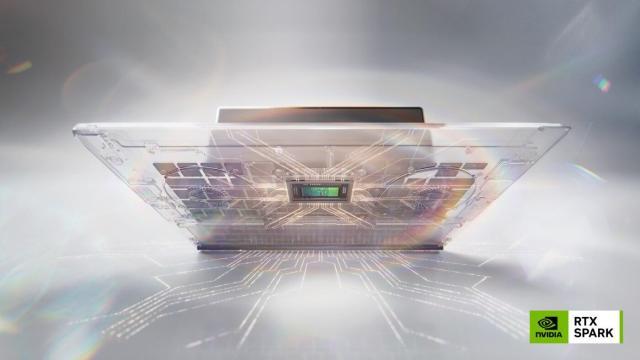 "GPU 다음은 CPU"…Arm, 에이전틱 AI 인프라 경쟁 참전 [경제일보] 에이전틱 인공지능(AI) 확산이 본격화되면서 AI 산업이 GPU 중심으로 성장해왔지만 AI가 스스로 계획을 세우고 여러 작업을 수행하는 단계로 진화하면서 CPU 수요 역시 함께 증가할 것이라는 전망이 나오고 있다. 이에 Arm은 변화에 맞춰 데이터센터와 PC 시장 공략에 나서고 있다. 2일 Arm은 대만에서 진행된 '컴퓨텍스 2026' 박람회에서 오라클 클라우드 인프라스트럭처(OCI)가 Arm AGI CPU 생태계에 합류한다고 밝혔다. 이는 지난 3월 개최된 Arm 에브리웨어 행사에서 공개한 AI 인프라 전략의 후속 행보로 분석된다. 이번 행사에서 Arm은 메타, 오픈AI, SAP, SK텔레콤 등과의 협력 사례를 소개하며 에이전틱 AI 확산이 데이터센터 내 CPU 수요 증가로 이어질 것으로 전망했다. 최근에는 오라클까지 관련 생태계에 참여하면서 AI 인프라 시장에서 Arm 기반 서버 확대 움직임이 이어지고 있는 것으로 알려졌다. 에이전틱 AI는 사용자의 지시에 따라 여러 데이터와 서비스, 소프트웨어를 연계해 작업을 수행하는 기술이다. 단순히 질문에 답하는 수준을 넘어 계획 수립과 정보 검색, 코드 실행, 외부 서비스 활용 등의 기능을 수행한다. 시장조사업체 세미애널리시스는 최근 에이전틱 코딩 환경에서 전체 실행 시간의 약 42%가 CPU 기반 작업에 사용된다고 분석했다. AI 모델 자체의 연산뿐 아니라 데이터 처리와 시스템 제어, 외부 서비스 연동 등 다양한 작업이 필요해지면서 CPU 활용도가 높아지고 있는 것이다. 또한 주요 클라우드 사업자들의 Arm 기반 인프라 확대 움직임도 이어지고 있다. 구글은 자체 TPU 시스템의 헤드 노드에 Arm 기반 프로세서인 액시온(Axion)을 적용했으며, 아마존웹서비스(AWS)는 그래비톤(Graviton) 기반 서버 확대를 추진하고 있다. 엔비디아 역시 Arm 기반 CPU인 베라(Vera)를 차세대 AI 플랫폼에 적용할 계획이다. 이에 Arm은 서버용 프로세서인 AGI CPU를 선보였다. Arm은 해당 제품이 AI 데이터센터 환경에서 높은 전력 효율성과 집적도를 제공하도록 설계됐다. Arm은 PC 시장에서도 AI 중심의 변화가 진행될 것으로 전망했다. 컴퓨텍스 2026에서 공개된 엔비디아 RTX 스파크는 Arm 기반 Grace CPU와 블랙웰 RTX GPU를 결합한 AI PC 플랫폼이다. AI 기능이 PC의 핵심 사용 경험으로 자리 잡으면서 온디바이스 AI 처리 수요가 확대될 것이라는 전망이 반영된 것으로 분석된다. 마이크로소프트도 RTX 스파크 공개와 함께 Windows on Arm 생태계 확대 계획을 밝혔다. Arm 기반 PC가 저전력 중심 시장을 넘어 AI 활용이 많은 고성능 PC 영역까지 확대를 시도하고 있는 것으로 풀이된다. 업계에서는 AI 산업이 학습 중심 경쟁에서 추론 중심 경쟁으로 이동하면서 인프라 구조에도 변화가 나타날 것으로 보고 있다. GPU가 핵심 역할을 담당하겠지만 CPU와 메모리, 네트워크를 포함한 전체 시스템 최적화가 중요해질 것이라는 전망이다. 마헤시 티아가라잔 오라클 클라우드 인프라스트럭처 EVP는 "OCI는 우버와 같은 고객 사례를 포함해 대규모 클라우드 네이티브 워크로드 전반에서 Arm 기반 인프라의 강력한 성장세를 확인하고 있으며, Arm AGI CPU가 이러한 이점을 차세대 에이전틱 AI 시스템에서 확장할 수 있는 가능성을 기대하고 있다"며 "고성능 Arm 컴퓨팅과 OCI의 확장 가능한 클라우드 인프라를 결합함으로써 Arm AGI CPU는 고객들이 보다 효율적이고 조율된 AI 환경을 대규모로 구축할 수 있도록 지원할 잠재력이 있다고 본다"고 말했다.
2026-06-02 16:22:27
-
 젠슨 황 "베라 루빈 양산 돌입"…삼성·SK 메모리 들어간다 [경제일보] 글로벌 AI 반도체 기업 엔비디아가 차세대 AI(인공지능) 가속기 플랫폼 '베라 루빈(Vera Rubin)' 양산에 돌입했다. 삼성전자와 SK하이닉스의 메모리가 탑재된 것으로 알려지면서 국내 메모리 업계의 AI 반도체 공급망 내 역할도 한층 확대될 전망이다. 젠슨 황 엔비디아 최고경영자(CEO)는 1일 대만 타이베이 뮤직센터에서 열린 'GTC 타이베이 2026' 기조연설에서 "베라 루빈은 현재 완전히 생산 중(Fully in Production)"이라며 "삼성전자와 SK하이닉스, 마이크론의 메모리가 적용됐다"고 밝혔다. 베라 루빈은 엔비디아의 차세대 AI 가속기 플랫폼으로 AI 학습과 추론 성능을 대폭 향상시키기 위해 새롭게 개발된 중앙처리장치(CPU) '베라'를 기반으로 한다. 황 CEO는 이날 베라 CPU가 AI 에이전트 성능을 획기적으로 끌어올릴 수 있다고 강조하며 다양한 제품군도 함께 공개했다. 엔비디아는 △CPU 8개를 탑재한 '베라 컴퓨트(Vera Compute)' △스토리지 및 데이터 처리에 특화된 '베라 블루필드(Vera BlueField)' 등을 선보이며 AI 인프라 포트폴리오 확대 전략을 제시했다. 업계에서는 베라 CPU에 삼성전자와 SK하이닉스의 고성능·저전력 메모리인 LPDDR5X가 적용된 것으로 보고 있다. 특히 엔비디아가 AI 가속기 시장을 넘어 AI 에이전트 전용 CPU 시장까지 본격 공략하면서 인텔과 AMD 중심의 서버용 CPU 시장에도 변화가 예상된다. 반도체 업계에서는 엔비디아 차세대 플랫폼 양산이 본격화되면서 삼성전자와 SK하이닉스의 AI 메모리 공급도 확대될 것으로 기대하고 있다. 특히 AI 서버 수요 증가에 따라 고대역폭메모리(HBM)에 이어 LPDDR5X 등 고성능 메모리 시장 성장세도 가속화될 것으로 전망된다.
2026-06-01 14:42:41
많이 본 뉴스
영상
Youtube 바로가기
![[사설] 환율 안정에 안주할 때 아니다…외환 방어력 키울 골든 타임이다](https://image.ajunews.com/content/image/2026/07/13/20260713092838404021_518_323.jpg)